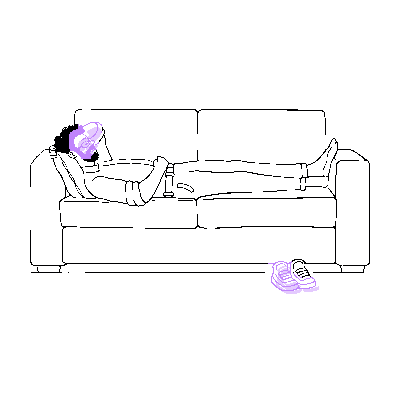
🦉 Nocna Sowa~25% of the population

INTJ ChronotypeThe ArchitectNocna Sowa

Wzorce snu i chronotyp INTJ

INTJ naleza do najbardziej naturalnie nocnych sposrod wszystkich typow osobowosci. Ich umysly ozywaja w cichych godzinach po polnocy, gdy zewnetrzne rozproszenia znikaja i moze dzialac ich bogaty wewnetrzny swiat strategii i wizji. Wielu INTJ-ow podaje, ze ich najwazniejsze odkrycia i najbardziej klarowne myslenie przychodza miedzy 23:00 a 3:00.

Dlaczego INTJs są Nocna Sowa: Funkcje poznawcze i sen

Dominujace Ni (Introwertyczna Intuicja) to gleboko wewnetrzna funkcja syntezy wzorcow, wymagajaca minimalnego szumu sensorycznego do pelnego dzialania. Noc zapewnia idealne srodowisko o niskiej stymulacji, w ktorym Ni moze tworzyc zlozony obraz wnikow. Pomocnicze Te (Ekstrawertyczne Myslenie) organizuje te wnioski w plany dzialania, a INTJ-e czesto odkrywaja, ze nocne sesje planowania przynoszych ich najefektywniejsze systemy i strategie.

Funkcja dominująca

Ni thrives in solitude and stillness. The reduced sensory input of nighttime allows INTJs to access their deepest pattern-recognition abilities, making late hours feel like a mental playground where connections form effortlessly.

Funkcja pomocnicza

Te kicks in during late morning and early afternoon, when the INTJ translates night-born insights into structured plans, spreadsheets, and execution timelines. This is their peak window for implementing what they envisioned the night before.

Wzorzec energii INTJ przez cały dzień

INTJs typically wake slowly, often needing 60-90 minutes of quiet before they feel mentally present. Morning energy is low and reserved for routine tasks. By late morning, Te engagement rises and they can tackle analytical work. After lunch, energy dips slightly, but a second wind arrives around 8 PM. From 10 PM onward, their Ni function ignites and they enter a flow state that can easily carry them past 2 AM if left unchecked.

Okna szczytowej produktywności INTJ

🎨

Szczyt kreatywności

11 PM - 3 AM

📊

Szczyt analityczny

10 AM - 1 PM

🤝

Szczyt społeczny

2 PM - 4 PM

Typowe wyzwania snu dla INTJ

  • !Racing strategic thoughts at bedtime — the Ni function generates cascading insights that are hard to turn off
  • !Difficulty maintaining a consistent sleep schedule because late-night productivity feels too valuable to sacrifice
  • !Tendency to skip sleep when deep in a project, viewing rest as inefficiency rather than necessity

Idealny codzienny rytm dla INTJ

🌅

Ranek

Wake naturally around 8-9 AM. Avoid social interaction for the first hour. Use this time for a slow coffee ritual, light reading, or reviewing the previous night’s notes. Physical exercise in the morning helps activate the body while the mind is still warming up.

☀️

Południe

Schedule meetings, collaborative work, and Te-heavy tasks (data analysis, project management, decision-making) between 10 AM and 2 PM. After lunch, handle administrative tasks or lower-energy work. Late afternoon is good for brief social interactions.

🌆

Wieczór

After 7 PM, begin transitioning into creative/strategic mode. This is the ideal time for research, reading, writing, or deep problem-solving. Allow Ni to take the lead without forcing structure. Keep the environment dim and quiet to signal the brain that deep-work mode is engaged.

🌙

Pora snu

Set a non-negotiable shutdown time (ideally midnight on work nights). Use a brain-dump journal to capture lingering ideas so Ni doesn’t keep cycling. Avoid screens for the last 30 minutes — switch to physical books or ambient music. Aim for 7-8 hours of sleep even if it feels like ‘wasted time.’

Wskazówki optymalizacji snu dla INTJ

  • Keep a bedside notebook specifically for capturing Ni insights — the act of writing them down signals your brain that the idea is ‘saved’ and can be released
  • Schedule your most important creative work after 9 PM when your natural Ni flow state kicks in, but set a hard stop time
  • Use morning exercise (even 20 minutes of walking) to compensate for the slower cortisol rise that night owls experience
  • Batch all meetings and social obligations between 11 AM and 3 PM to protect your evening deep-work window

Spostrzeżenia zdrowotne dla INTJ Nocna Sowa

INTJs who fight their night owl nature and force early schedules often experience chronic low-grade fatigue and reduced creative output. However, consistently sleeping past 2 AM raises cortisol dysregulation risks. The healthiest approach is a midnight-to-8 AM sleep window that honors the owl tendency while ensuring adequate rest and morning light exposure.

Kompatybilność chronotypu INTJ

INTJ night owls often clash with early bird partners (ESFJ, ESTJ) who want shared morning routines. The key is designing ‘overlap windows’ — shared meals and quality time in the early evening before the INTJ retreats into deep-work mode. Understanding that different productivity peaks are features, not flaws, prevents resentment on both sides.

Inne typy Nocna Sowa

Odkryj więcej

O tej analizie

Ta analiza chronotypu dla INTJ opiera się na korelacjach między funkcjami poznawczymi MBTI a badaniami rytmu dobowego. Indywidualne wzorce snu różnią się i są kształtowane przez genetykę, wiek, styl życia i środowisko. Treści te mają charakter informacyjny i rozrywkowy i nie powinny zastępować profesjonalnej porady medycznej dotyczącej zaburzeń snu lub schorzeń.