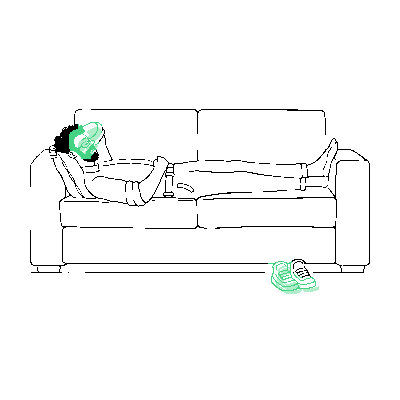
🦉 Nocna Sowa~25% of the population

INFJ ChronotypeThe CounselorNocna Sowa

Wzorce snu i chronotyp INFJ

INFJ-e to ciche nocne sowy, ktorych nocne sklonnosci wynikaja z emocjonalnej koniecznosci, a nie z czystego intelektualnego popemu. Po spedzeniu dnia na pochlananiu emocji innych przez swoja potezna funkcje Fe, INFJ-e potrzebuja samotnosci nocy, aby sie odreagowac, przetworzyc i ponownie polaczyc z wlasnym wewnetrznym swiatem. Pozne godziny to chwile, gdy INFJ-e w koncu czuja sie soba - wolni od ciezaru potrzeb innych.

Dlaczego INFJs są Nocna Sowa: Funkcje poznawcze i sen

Dominujace Ni (Introwertyczna Intuicja) podziela ten sam nocny afekt co INTJ, pragnac srodowisk o niskiej stymulacji dla swojej pracy tkania wzorcow. Jednak pomocnicze Fe (Ekstrawertyczne Odczuwanie) INFJ-a dodaje unikalny wymiar - dzien spedza sie na dostrajaniu do stanow emocjonalnych innych, co jest energetycznie wyczerpujace. Noc staje sie jedynym czasem, gdy Ni moze dzialac bez ciaglego radaru spolecznego Fe, co sprawia, ze wieczorne godziny czuja sie zarowno regenerujace, jak i tworcze.

Funkcja dominująca

Ni activates most powerfully during solitary nighttime hours, producing the vivid intuitive leaps and symbolic thinking that INFJs are known for. Many INFJs describe their best writing, art, and ‘aha moments’ as happening between 10 PM and 1 AM.

Funkcja pomocnicza

Fe runs at high capacity during social hours, leaving the INFJ emotionally depleted by evening. The transition from Fe-mode to Ni-mode happens naturally around 8-9 PM as social obligations end, and this shift is essential for INFJ wellbeing.

Wzorzec energii INFJ przez cały dzień

INFJs wake with moderate energy that is immediately allocated to Fe — tuning into household members’ moods, preparing for social interactions ahead. Mid-morning is their best analytical window before the social demands of the day fully consume Fe energy. Early afternoon is optimal for meetings and collaboration, but by 4-5 PM, a noticeable emotional fatigue sets in. An evening ‘recharge period’ of solitude is essential. By 9-10 PM, Ni awakens fully and creative energy surges, often lasting until midnight or beyond.

Okna szczytowej produktywności INFJ

🎨

Szczyt kreatywności

10 PM - 1 AM

📊

Szczyt analityczny

10 AM - 12 PM

🤝

Szczyt społeczny

1 PM - 4 PM

Typowe wyzwania snu dla INFJ

  • !Replaying social interactions and worrying about others’ feelings at bedtime, making it hard to quiet the Fe ‘social radar’
  • !Using late-night solitude as the only self-care time, leading to sleep sacrifice in favor of precious alone time
  • !Vivid, emotionally intense dreams (a hallmark of dominant Ni) that can disrupt sleep quality and cause morning grogginess

Idealny codzienny rytm dla INFJ

🌅

Ranek

Wake around 8 AM with a gentle, non-jarring alarm. Spend 20-30 minutes in complete solitude before engaging with anyone — journaling, meditation, or simply sitting quietly with tea. This ‘Ni buffer’ sets emotional boundaries for the day ahead and prevents immediate Fe overwhelm.

☀️

Południe

Handle analytical and strategic tasks in the late morning window. Schedule emotionally demanding interactions (counseling, deep conversations, conflict resolution) for early afternoon when Fe is fresh. By mid-afternoon, begin reducing social exposure. Use the 4-6 PM window for solitary, low-pressure tasks.

🌆

Wieczór

After 7 PM, protect solitude fiercely. This is Ni’s domain — use it for creative writing, artistic expression, spiritual practice, or deep reading. Dim lighting and calming music enhance Ni’s natural evening activation. Avoid emotionally heavy content (news, social media drama) that re-engages Fe.

🌙

Pora snu

Begin winding down at 11 PM with a deliberate emotional release ritual — journaling about the day’s emotional residue, a brief meditation, or a gratitude practice. This helps Fe ‘close its tabs.’ Keep the bedroom cool and dark to support the deep, dream-rich sleep that Ni needs for overnight insight processing.

Wskazówki optymalizacji snu dla INFJ

  • Create a ‘feelings dump’ journal specifically for bedtime — writing out unprocessed emotions from the day prevents them from cycling through your mind as you try to sleep
  • Negotiate ‘non-negotiable alone time’ with family or partners from 9-11 PM — this is not antisocial, it’s essential maintenance for your cognitive stack
  • If vivid dreams are disrupting sleep, try a 5-minute visualization exercise before bed where you consciously ‘set’ a calm scene for Ni to process overnight
  • Resist the urge to check your phone first thing in the morning — Fe immediately locks onto others’ messages and moods, robbing you of your Ni morning buffer

Spostrzeżenia zdrowotne dla INFJ Nocna Sowa

INFJs who chronically sacrifice sleep for alone time develop a dangerous pattern: Fe depletion during the day leads to longer night recovery needs, which leads to less sleep, which leads to even less Fe resilience. Breaking this cycle requires scheduling daytime solitude breaks (even 15 minutes) rather than relying solely on nighttime hours for emotional recovery.

Kompatybilność chronotypu INFJ

INFJ night owls living with early bird ESTJ or ESFJ types can actually benefit from the schedule difference — the early bird’s early bedtime naturally provides the solitude the INFJ craves. The challenge is mornings: the early bird is energized and social while the INFJ needs silence. Establishing a ‘quiet morning’ agreement where the first hour is interaction-free can transform this from a conflict into a complementary rhythm.

Inne typy Nocna Sowa

Odkryj więcej

O tej analizie

Ta analiza chronotypu dla INFJ opiera się na korelacjach między funkcjami poznawczymi MBTI a badaniami rytmu dobowego. Indywidualne wzorce snu różnią się i są kształtowane przez genetykę, wiek, styl życia i środowisko. Treści te mają charakter informacyjny i rozrywkowy i nie powinny zastępować profesjonalnej porady medycznej dotyczącej zaburzeń snu lub schorzeń.