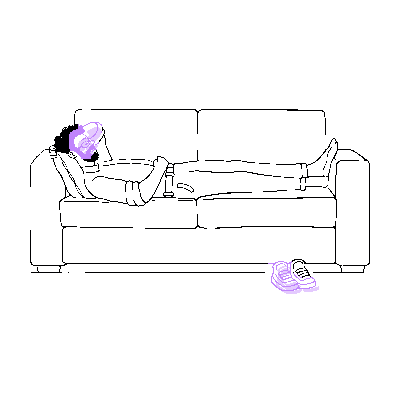
🦉 Nocna Sowa~25% of the population

ENTP ChronotypeThe DebaterNocna Sowa

Wzorce snu i chronotyp ENTP

ENTP-y sa najbardziej spolecznie nabuzowanymi wsrod nocnych sow - to oni wciaz debatuja o 2:00 w nocy, uruchamiaja projekty poboczne o polnocy i wysylaja znajomym szalone pomysly o 1:00. W odroznieniu od spokojniejszych introwertycznych sow, nocna energia ENTP-a jest kinetyczna i skierowana na zewnatrz, zasilana nienasyconym Ne, ktore generuje coraz wiecej mozliwosci w miare jak noc postepuje. Ich relacja ze snem jest antagonistyczna - spanie wydaje sie przegapiac potencjalne odkrycia.

Dlaczego ENTPs są Nocna Sowa: Funkcje poznawcze i sen

Dominujace Ne (Ekstrawertyczna Intuicja) to maszyna do generowania mozliwosci, ktora staje sie bardziej aktywna w miare zanikania ograniczen. Noc usuwa strukture dnia pracy, uwalniajac Ne w tryb swobodnej eksploracji. Pomocnicze Ti (Introwertyczne Myslenie) analizuje te mozliwosci z rosnaca precyzja w miare zmniejszania sie zewnetrznego halasu. Rezultatem jest poznonocny ENTP, ktory jednoczesnie generuje pomysly i poddaje je sprawdzeniu - petla sprzezenia zwrotnego, ktora przynosi swietne wnioski, ale czyni sen prawie niemozliwym.

Funkcja dominująca

Ne operates at its most expansive when freed from daytime structure and obligation. Each evening, as the schedule loosens, Ne begins generating connections, ideas, and ‘what-ifs’ at accelerating speed. This is why ENTPs often feel more alive and mentally sharp at 11 PM than at 11 AM.

Funkcja pomocnicza

Ti provides the analytical backbone that transforms Ne’s wild ideas into viable frameworks. During late-night sessions, Ti operates with unusual focus because there are no competing demands — no emails, no meetings, no interruptions — allowing the ENTP to actually finish the analytical work that Ne usually prevents during the day.

Wzorzec energii ENTP przez cały dzień

ENTPs wake with scattered energy — alert enough to function but without focus. Morning is for stimulation-seeking: scrolling news, checking messages, bouncing between tasks. By 10 AM, Ti helps focus this scattered energy into analytical work. Afternoon is the most social and externally productive period, with ENTPs at their charismatic best. Energy dips briefly around 6-7 PM but rebounds dramatically by 9 PM. From 10 PM onward, Ne enters hyperdrive — this is when the ENTP starts three new projects, has four breakthrough ideas, and sends twelve messages they may regret in the morning.

Okna szczytowej produktywności ENTP

🎨

Szczyt kreatywności

11 PM - 3 AM

📊

Szczyt analityczny

10 AM - 12 PM

🤝

Szczyt społeczny

1 PM - 6 PM

Typowe wyzwania snu dla ENTP

  • !The ‘idea avalanche’ at bedtime — Ne generates possibilities faster than they can be recorded, creating anxiety about losing brilliant insights to sleep
  • !FOMO (Fear of Missing Out) on nighttime conversations, online discussions, or project momentum that feels too exciting to abandon
  • !Stimulation addiction — the dopamine hit of new ideas and connections makes the low-stimulation act of lying quietly in bed feel unbearable

Idealny codzienny rytm dla ENTP

🌅

Ranek

Wake around 8:30-9 AM with an engaging stimulus — a podcast, news brief, or interesting article to satisfy Ne’s immediate need for input. Use the first hour for low-stakes information consumption. Physical exercise between 9-10 AM helps channel scattered morning Ne energy into the body.

☀️

Południe

Late morning to early afternoon (10 AM - 1 PM) is prime time for analytical deep work that requires Ti focus. Early afternoon (1-4 PM) is the social performance window — presentations, brainstorming sessions, debates, networking. Late afternoon (4-6 PM) is good for collaborative work and mentoring.

🌆

Wieczór

After 7 PM, allow Ne to roam freely but with one constraint: choose a single project or creative thread to follow rather than bouncing between five. The evening is where ENTPs do their best original work — building prototypes, writing proposals, designing systems. Keep communication channels open for collaborative energy but set boundaries on new threads.

🌙

Pora snu

At 11:30 PM, initiate the ‘idea harvest’ — spend 15 minutes recording all active thoughts into a single capture document. Then switch to a low-stimulation but mentally engaging activity: chess puzzles, light fiction, or ambient music. The goal is to give Ne something to chew on that doesn’t generate new actionable ideas. Aim for sleep by 12:30 AM.

Wskazówki optymalizacji snu dla ENTP

  • Use voice-to-text to rapidly capture late-night ideas without fully re-engaging your analytical brain — record the spark, not the full analysis
  • Create a ‘no new projects after 11 PM’ rule — you can plan and brainstorm, but don’t open new tabs, sign up for new tools, or start new codebases
  • Channel the FOMO productively: remind yourself that a well-rested brain will generate better ideas tomorrow than an exhausted one will at 3 AM
  • Find a late-night accountability partner (another ENTP or INTP) who you can exchange ideas with before a mutually agreed ‘shutdown time’

Spostrzeżenia zdrowotne dla ENTP Nocna Sowa

ENTPs are particularly vulnerable to stimulant dependency (caffeine, energy drinks) to compensate for accumulated sleep debt. The dopamine-seeking nature of dominant Ne creates a feedback loop where sleep deprivation increases the need for stimulation, which delays sleep further. Protecting at least 7 hours of sleep is essential for maintaining the quick-witted processing speed that ENTPs rely on in social and professional settings.

Kompatybilność chronotypu ENTP

ENTP night owls are surprisingly compatible with INFJ night owls — both types come alive in the evening and enjoy deep late-night conversations. The challenge arises with early bird ISFJ or ISTJ partners who interpret the ENTP’s late nights as irresponsibility. Clear communication about biological rhythms (backed by the ENTP’s favorite thing: research and data) can help bridge this gap.

Inne typy Nocna Sowa

Odkryj więcej

O tej analizie

Ta analiza chronotypu dla ENTP opiera się na korelacjach między funkcjami poznawczymi MBTI a badaniami rytmu dobowego. Indywidualne wzorce snu różnią się i są kształtowane przez genetykę, wiek, styl życia i środowisko. Treści te mają charakter informacyjny i rozrywkowy i nie powinny zastępować profesjonalnej porady medycznej dotyczącej zaburzeń snu lub schorzeń.