🦉 Nocna Sowa~25% of the population

INFP ChronotypeThe HarmonizerNocna Sowa

Wzorce snu i chronotyp INFP

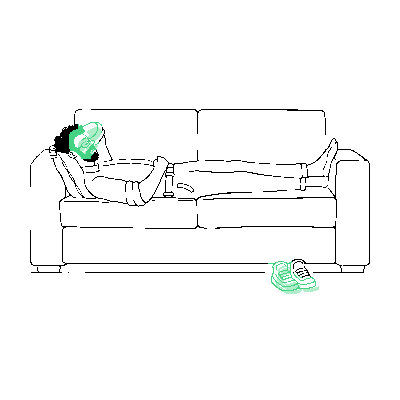
INFP-y to marzycielskie nocne sowy, ktorych tworczosc rozkwita w liminalnej przestrzeni miedzy czuwaniem a snem. Ich nocna natura dotyczy mniej produktywnosci, a bardziej autentycznosci - noc to czas, gdy INFP moze zdjac wszystkie spoleczne maski, eksplorowac wewnetrzny krajobraz emocjonalny bez oceniania i tworzyc z miejsca surowej szczeroci. Dla wielu INFP-ow ciche godziny po polnocy czuja sie jak jedyny moment, gdy swiat pasuje do ich wewnetrznego tempa.

Dlaczego INFPs są Nocna Sowa: Funkcje poznawcze i sen

Dominujace Fi (Introwertyczne Odczuwanie) to intensywnie prywatna funkcja, ktora ocenia wszystko w odniesieniu do gleboko osobistego systemu wartosci. W ciagu dnia Fi stale naviguje oczekiwania spoleczne, ktore moga kolidowac z jego autentycznymi preferencjami, tworzac undercurrent napiec. Noca, gdy presje spoleczne sie rozpuszczaja, Fi moze w koncu wyrazac sie swobodnie. Pomocnicze Ne (Ekstrawertyczna Intuicja) przeksztalca ta wolnosc emocjonalna w tworcze mozliwosci - pomysly na opowiadania, artystyczne wizje i imaginacyjne eksploracje, ktore czuja sie niedostepne w ciagu dnia.

Funkcja dominująca

Fi needs safety to fully express itself, and the darkness and solitude of nighttime provide exactly that. The reduction in social observation allows INFPs to access emotions they may not even be aware of during the day, fueling their most authentic creative work.

Funkcja pomocnicza

Ne is most playful and uninhibited during evening hours, when the day’s structure has dissolved. Free from deadlines and expectations, Ne generates imaginative connections that Fi can evaluate for emotional resonance, creating the INFP’s signature blend of creativity and depth.

Wzorzec energii INFP przez cały dzień

INFPs wake reluctantly, often with vivid dream fragments lingering. Morning energy is soft and diffuse — good for gentle creative tasks but not demanding work. They slowly build momentum through late morning, reaching their best analytical capacity around 11 AM. Afternoon energy is moderate and socially oriented. After 5 PM, a transition period occurs where the INFP turns inward. By 9 PM, a warm creative surge begins, building steadily until it peaks around midnight. This creative flow feels effortless and deeply fulfilling, making it psychologically difficult to interrupt for sleep.

Okna szczytowej produktywności INFP

🎨

Szczyt kreatywności

10 PM - 2 AM

📊

Szczyt analityczny

11 AM - 1 PM

🤝

Szczyt społeczny

3 PM - 6 PM

Typowe wyzwania snu dla INFP

  • !Creative inspiration striking at bedtime — a poem, story idea, or emotional insight demands expression exactly when they should be sleeping
  • !Emotional processing that was suppressed during the day surfacing at night, creating a busy inner world that resists rest
  • !Difficulty with rigid sleep schedules because their energy rhythm feels fluid and unpredictable, shifting with emotional states

Idealny codzienny rytm dla INFP

🌅

Ranek

Wake gently around 8:30-9 AM without harsh alarms. Allow 30-45 minutes of slow emergence — stay in bed with a journal, sketch, or simply lie with eyes closed processing dreams. Morning is not for productivity; it’s for emotional calibration. Light stretching or yoga complements the INFP’s gradual waking process better than intense exercise.

☀️

Południe

Late morning (11 AM - 1 PM) is the window for tasks requiring analytical precision — editing, planning, administrative work. Early afternoon is the best social window; use it for meetings, collaboration, and relational tasks. By 4 PM, begin protecting energy for the creative evening ahead. A walk in nature during late afternoon recharges both body and spirit.

🌆

Wieczór

After 8 PM, settle into a creative sanctuary. This is the time for writing, music, art, or any form of authentic self-expression. The key is low pressure — create for yourself, not for an audience. Dim, warm lighting and a cozy environment amplify the INFP’s natural evening creative state.

🌙

Pora snu

Begin a gradual wind-down at 11:30 PM. If creative inspiration is still flowing, set a ‘capture’ timer — spend 10 minutes recording the core of the idea (voice memo, quick sketch, bullet points) with permission to continue tomorrow. Read fiction or poetry before bed to redirect Ne into passive mode. Aim for lights-out by midnight.

Wskazówki optymalizacji snu dla INFP

  • Keep a ‘creative capture’ tool (voice recorder, small notebook) next to your bed — knowing the idea is saved makes it easier to let go and sleep
  • Schedule at least one 30-minute block of solitary creative time during the day so that nighttime doesn’t become your only outlet for self-expression
  • Use background rain sounds or ambient music to create an audio ‘cocoon’ that helps Fi feel safe enough to disengage from the day’s emotional residue
  • Accept that your productive hours will look different from most people’s and design your schedule around your natural rhythm whenever possible

Spostrzeżenia zdrowotne dla INFP Nocna Sowa

INFPs who consistently suppress their creative nighttime window to conform to early schedules often develop low-grade depression or creative frustration. Their Fi function needs that nightly expression outlet. However, sleep deprivation reduces emotional resilience — the very quality INFPs depend on. Finding a balance between creative expression and adequate sleep (at least 7 hours) is critical for INFP mental health.

Kompatybilność chronotypu INFP

INFPs paired with early bird types (particularly ISTJ or ESTJ) face the classic romantic timing mismatch. The INFP is writing poetry at midnight while their partner has been asleep since 10 PM. Rather than forcing synchronization, successful couples create intentional connection rituals (shared dinner, evening walks) that bridge the gap before their schedules diverge for the night.

Inne typy Nocna Sowa

Odkryj więcej

O tej analizie

Ta analiza chronotypu dla INFP opiera się na korelacjach między funkcjami poznawczymi MBTI a badaniami rytmu dobowego. Indywidualne wzorce snu różnią się i są kształtowane przez genetykę, wiek, styl życia i środowisko. Treści te mają charakter informacyjny i rozrywkowy i nie powinny zastępować profesjonalnej porady medycznej dotyczącej zaburzeń snu lub schorzeń.