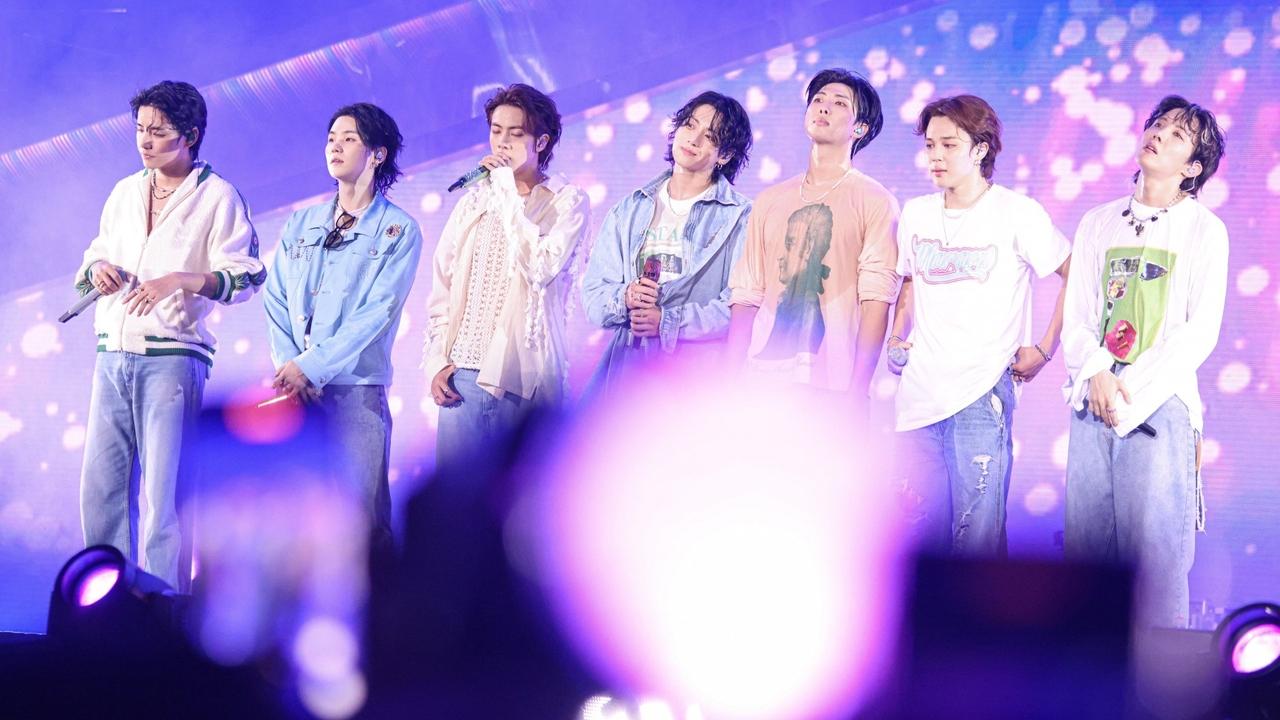

BTS (Bangtan Sonyeondan)
Discover the MBTI personality types of all BTS members — the world's biggest K-pop group
Analysts
BTS as INTJ
AnalystBTS’s career trajectory embodies INTJ strategic mastery at its finest. The dominant Introverted Intuition (Ni) is evident in their long-term vision—the ‘Love Yourself’ and ‘Map of the Soul’ series were conceptualized years in advance, creating an interconnected narrative universe unprecedented in pop music. Auxiliary Extraverted Thinking (Te) shows in the systematic execution of this vision—calculated market entry into the West through social media rather than traditional channels, strategic UN partnerships, and data-driven fan engagement through Weverse. Tertiary Introverted Feeling (Fi) emerges in the deeply personal authenticity that distinguishes BTS from manufactured K-pop acts—members writing their own music about mental health and societal pressure. Inferior Extraverted Sensing (Se) surfaces in their occasional struggle with the physical demands of their schedule, with multiple members discussing burnout. The arc from a small HYBE Entertainment debut to Billboard dominance reflects the INTJ pattern of patient, methodical empire-building—every move calculated, every setback incorporated into a larger strategic framework.
“The stars shine brightest when the night is darkest.”Learn about INTJ →
Jin (Kim Seokjin)
AnalystJin’s INTP cognitive stack reveals itself beneath layers of self-deprecating humor and dad jokes. His dominant Introverted Thinking (Ti) operates quietly—he processes situations through internal logic, often surprising members with unexpectedly sharp observations during group discussions. His auxiliary Extraverted Intuition (Ne) fuels his love of wordplay and absurd humor; his ‘Eat Jin’ segments and spontaneous jokes reflect a mind that constantly makes unusual connections others miss. Jin’s tertiary Introverted Sensing (Si) shows in his comfort with routine—his consistent cooking hobby, his attachment to familiar games, and his appreciation for simple pleasures. His inferior Extraverted Feeling (Fe) surfaces in his occasional emotional vulnerability, particularly during award speeches where he breaks through his comedic shield to express genuine gratitude. His development arc from BTS’s ‘visual’ to a respected vocalist who wrote ‘Abyss’ about burnout demonstrates the INTP journey of integrating emotional expression into a framework built on logical self-understanding.
“It's okay to not have a dream.”Learn about INTP →
BTS as ENTJ
AnalystBTS’s industry dominance reflects ENTJ executive vision in action. The dominant Extraverted Thinking (Te) manifests in their decisive market moves—being the first K-pop act to perform at the AMAs, Grammys, and Wembley Stadium, each calculated to maximize global reach. Auxiliary Introverted Intuition (Ni) drives the long-range planning behind HYBE’s multi-billion dollar IPO, BTS’s McDonald’s collaboration, and their strategic military service timing. Tertiary Extraverted Sensing (Se) shows in their commanding stage presence—stadium tours with production values rivaling the biggest Western acts, demonstrating physical excellence and sensory impact. Inferior Introverted Feeling (Fi) emerges in the genuine personal convictions beneath the business empire—their refusal to compromise artistic integrity despite commercial pressure and their authentic advocacy for mental health. The arc from industry outsiders who were mocked by the Korean music establishment to the group that fundamentally restructured how K-pop operates globally demonstrates ENTJ empire-building—commanding resources, inspiring loyalty, and reshaping entire industries through sheer force of strategic will.
“We didn't come this far to only come this far.”Learn about ENTJ →
BTS as ENTP
AnalystBTS’s genre-defying creativity embodies ENTP innovation and intellectual restlessness. The dominant Extraverted Intuition (Ne) drives their constant musical experimentation—shifting from hip-hop roots to incorporate EDM, Latin pop, R&B, and rock across albums, refusing to be confined to any single sound. Auxiliary Introverted Thinking (Ti) shows in the analytical frameworks behind their experimentation—RM’s lyrical deconstruction of societal norms, Suga’s production philosophy of stripping music to its essential elements, and the group’s systematic approach to understanding what works across global markets. Tertiary Extraverted Feeling (Fe) emerges in their skill at debating ideas openly in content like ‘BTS In The Soop’ and Vlives, where intellectual discourse becomes group bonding. Inferior Introverted Sensing (Si) surfaces in their occasional tension with K-pop tradition—respecting sunbae culture while simultaneously dismantling its constraints on creative freedom. Their arc from industry rebels who broke unspoken K-pop rules to the group that redefined what K-pop could be reflects the ENTP pattern—questioning every assumption, debating every convention, and proving that creative disruption creates more lasting impact than conformity.
“Dream, though the beginnings may be humble, let the end be prosperous.”Learn about ENTP →
Diplomats
BTS as INFJ
DiplomatBTS’s thematic artistry embodies INFJ prophetic depth and universal insight. The dominant Introverted Intuition (Ni) is evident in their interconnected album universes—the Bangtan Universe spanning years of music videos with hidden narratives, and the ‘Map of the Soul’ series drawing directly from Jungian psychology to explore persona, shadow, and ego. Auxiliary Extraverted Feeling (Fe) shows in their uncanny ability to articulate emotions that millions feel but cannot express—‘Spring Day’ became Korea’s anthem of grief, and ‘Black Swan’ captured the universal fear of losing passion. Tertiary Introverted Thinking (Ti) emerges in the intellectual architecture behind their art—referencing Hermann Hesse’s ‘Demian,’ Ursula Le Guin, and Korean literature with deliberate symbolic precision. Inferior Extraverted Sensing (Se) surfaces in their occasional disconnect between artistic vision and physical reality—the gap between the profound themes they explore and the demanding idol schedule they endure. Their arc from addressing youth struggles in ‘No More Dream’ to exploring Jungian individuation reflects the INFJ pattern—channeling deep intuitive insight into art that feels personally revelatory to each listener.
“You never walk alone.”Learn about INFJ →
V (Kim Taehyung)
DiplomatV’s INFP cognitive stack is visible in his deeply personal artistic universe. His dominant Introverted Feeling (Fi) creates an unshakeable core of authenticity—from his unique fashion choices that ignore trends to his emotional delivery in songs like ‘Singularity’ and ‘Sweet Night,’ everything flows from internal values rather than external validation. His auxiliary Extraverted Intuition (Ne) shows in his eclectic interests—photography, jazz, classical music, Van Gogh—and his tendency to make unexpected creative connections that surprise even his bandmates. V’s tertiary Introverted Sensing (Si) emerges in his deep nostalgia and attachment to meaningful memories; his love of his grandmother’s countryside home and childhood experiences directly influence his artistry. His inferior Extraverted Thinking (Te) surfaces in rare moments of structured ambition, such as organizing his solo album ‘Layover’ with focused artistic intent. His famous shift from ENFP to INFP on retesting reflects not a type change but a deepening into his true nature—moving from performing extroversion to embracing his natural introspective depth as he matured.
“I'd rather be hated for who I am than loved for who I'm not.”Learn about INFP →
Jimin (Park Jimin)
DiplomatJimin’s ENFJ cognitive stack is evident in his magnetic connection with both BTS members and ARMY. His dominant Extraverted Feeling (Fe) makes him the group’s emotional bridge—he’s the first to notice when a member is struggling, the one who initiates physical affection, and the artist whose stage presence communicates directly to every individual in the audience. His auxiliary Introverted Intuition (Ni) drives his artistic perfectionism and symbolic expression; his solo work ‘FACE’ explored identity themes with layered meaning that transcended pop conventions. Jimin’s tertiary Extraverted Sensing (Se) shows in his stunning contemporary dance performances, where physicality becomes emotional language—his ‘Lie’ and ‘Filter’ choreographies are visceral storytelling. His inferior Introverted Thinking (Ti) surfaces in his documented struggles with self-criticism and body image, revealing an internal analytical voice that conflicts with his natural warmth. His arc from a late addition to BTS’s lineup to arguably the group’s most beloved member worldwide demonstrates ENFJ growth—learning that vulnerability is strength and that inspiring others requires first accepting himself.
“Go on your path, even if you live for a day.”Learn about ENFJ →
RM (Kim Namjoon)
DiplomatRM’s ENFP cognitive stack is unmistakable in every facet of his artistry and leadership. His dominant Extraverted Intuition (Ne) drives his insatiable curiosity—visiting art museums worldwide, reading philosophy from Nietzsche to Kim Soo-young, and weaving literary references into lyrics like ‘Mono’ and ‘Indigo.’ His auxiliary Introverted Feeling (Fi) anchors this exploration in deeply personal values; his UN speeches about self-love weren’t rehearsed talking points but reflections of his authentic inner compass. RM’s tertiary Extraverted Thinking (Te) emerges in his role as leader—translating for the group in English interviews, making executive creative decisions, and structuring BTS’s artistic direction across album concepts. His inferior Introverted Sensing (Si) surfaces in moments of nostalgia and self-doubt, as heard in tracks like ‘Always’ where he wrestles with past versions of himself. His growth arc from an underground rapper to a global cultural ambassador shows Ne-Fi maturation—expanding his worldview while deepening his commitment to authenticity over commercial pressure.
“I'd rather be dead than live without passion.”Learn about ENFP →
Sentinels
BTS as ISTJ
SentinelBTS’s decade-long consistency embodies ISTJ dedication to duty. The dominant Introverted Sensing (Si) shows in their unwavering commitment to established routines—grueling daily rehearsal schedules, consistent content delivery through BANGTANTV, and annual traditions like Festa celebrations that ARMY relies on. Auxiliary Extraverted Thinking (Te) manifests in the efficient systems behind their output—structured comeback cycles, coordinated choreography precision where seven members move as one, and quality control standards that never waver across hundreds of performances. Tertiary Introverted Feeling (Fi) emerges in the personal responsibility each member takes for their craft—Jungkook’s late-night practice sessions and Jimin’s relentless vocal training reflect internalized standards of excellence. Inferior Extraverted Intuition (Ne) surfaces in their occasional creative risks that push beyond comfortable patterns, like incorporating orchestral arrangements or collaborating with Western artists. Their arc from trainees practicing in a tiny studio to filling SoFi Stadium reflects the ISTJ pattern—building success through reliability, honoring every promise to their fanbase, and proving that disciplined consistency outperforms fleeting brilliance.
“Hard work and dedication always pay off.”Learn about ISTJ →
BTS as ISFJ
SentinelBTS’s relationship with ARMY embodies ISFJ warmth and protective devotion. The dominant Introverted Sensing (Si) shows in how members remember specific fan interactions across years—recalling individual fan letters, referencing past concert moments, and maintaining traditions like birthday V-lives that create a sense of continuity and belonging. Auxiliary Extraverted Feeling (Fe) manifests in their genuine emotional investment in fan welfare—Jimin checking if fans in the rain are okay, Jin serving food to camping fans, and the entire group’s tears when reuniting with ARMY after the pandemic. Tertiary Introverted Thinking (Ti) emerges in the thoughtful infrastructure they’ve built for fan connection—the Weverse platform, personalized content series, and carefully curated behind-the-scenes footage. Inferior Extraverted Intuition (Ne) surfaces in their expanding vision for what artist-fan relationships can become, pioneering new models of parasocial connection. Their arc from a small fandom to a global community of millions reflects the ISFJ pattern—building trust through consistent care, creating family from strangers, and proving that genuine nurturing creates bonds stronger than any marketing strategy.
“You are the cause of my euphoria.”Learn about ISFJ →
BTS as ESTJ
SentinelBTS’s operational excellence reflects ESTJ organizational mastery. The dominant Extraverted Thinking (Te) shows in the clockwork precision of their operations—synchronized comebacks with coordinated music videos, variety show appearances, and social media campaigns executing flawlessly across time zones. Auxiliary Introverted Sensing (Si) manifests in their respect for proven frameworks—building on K-pop’s established trainee system while optimizing it with data analytics and global distribution networks. Tertiary Extraverted Intuition (Ne) emerges in their strategic innovations within traditional structures—pioneering the use of Twitter for fan engagement and creating content formats other groups now imitate. Inferior Introverted Feeling (Fi) surfaces in the personal toll of maintaining such rigorous standards, with members occasionally expressing frustration at schedules that leave little room for individual creative exploration. The arc from a struggling company’s carefully managed debut to an entertainment empire with military-grade coordination reflects the ESTJ pattern—establishing clear hierarchies, enforcing quality standards, and demonstrating that systematic excellence at scale creates something greater than any individual contribution.
“Teamwork makes the dream work.”Learn about ESTJ →
J-Hope (Jung Hoseok)
SentinelJ-Hope’s ESFJ cognitive stack makes him the indispensable emotional core of BTS. His dominant Extraverted Feeling (Fe) is visible in every interaction—he reads the room instantly, lifts members’ moods during exhausting schedules, and ensures no one feels left out in group settings. His auxiliary Introverted Sensing (Si) shows in his disciplined dance practice routines, his role as BTS’s lead choreography coach, and his meticulous attention to performance details that others overlook. J-Hope’s tertiary Extraverted Intuition (Ne) fuels his creative versatility—his solo work ‘Hope World’ and ‘Jack In The Box’ ventured into experimental genres that surprised fans expecting pure pop. His inferior Introverted Thinking (Ti) emerges in private moments of self-analysis, as revealed in documentary footage where he questions whether his cheerful persona is authentic. His growth from BTS’s sunshine personality to the artist who explored dark themes in ‘Jack In The Box’ reflects ESFJ maturation—moving beyond people-pleasing to express his complete emotional range while still holding the group together.
“I am your hope, you are my hope, I am J-Hope.”Learn about ESFJ →
Explorers
Suga (Min Yoongi)
ExplorerSuga’s ISTP cognitive stack defines his approach to both music and life. His dominant Introverted Thinking (Ti) drives his meticulous production process—he deconstructs beats and melodies with surgical precision in his studio, famously spending days perfecting a single track. His auxiliary Extraverted Sensing (Se) manifests in his hands-on approach to music production, his fluid piano performances, and his raw, unfiltered delivery in tracks like ‘Agust D’ and ‘Daechwita.’ Suga’s tertiary Introverted Intuition (Ni) appears in his long-term career vision—he predicted BTS’s global success years before it happened and has consistently planned his solo trajectory with quiet confidence. His inferior Extraverted Feeling (Fe) surfaces rarely but powerfully, as when he openly discussed his depression and shoulder surgery, breaking K-pop’s emotional stoicism. His arc from a struggling trainee who considered quitting to a Grammy-nominated producer reflects ISTP mastery—solving problems through craft rather than words, letting results speak for themselves.
“If you can't respect, don't even open your mouth.”Learn about ISTP →
Jungkook (Jeon Jungkook)
ExplorerJungkook’s ISFP cognitive stack powers his extraordinary versatility and quiet intensity. His dominant Introverted Feeling (Fi) drives his artistic choices from a deeply personal place—he chose BigHit over larger agencies because of RM’s authenticity, not business logic. His auxiliary Extraverted Sensing (Se) is unmistakable in his physical excellence—his golden maknae reputation comes from excelling at everything from singing and dancing to boxing, painting, and filming. Jungkook’s tertiary Introverted Intuition (Ni) shows in his focused determination to master skills; his cover videos reveal someone who obsessively studies techniques until they become second nature. His inferior Extraverted Thinking (Te) surfaces in his occasional frustration with logistics and structured planning, preferring to learn by doing rather than following rigid systems. His growth arc from a shy fifteen-year-old who couldn’t speak in front of cameras to the confident artist behind ‘Seven’ and ‘Golden’ reflects ISFP maturation—maintaining authentic self-expression while developing the courage to share his inner world with billions.
“Living without passion is like being dead.”Learn about ISFP →
BTS as ESTP
ExplorerBTS’s live performance energy embodies ESTP boldness and physical mastery. The dominant Extraverted Sensing (Se) is undeniable in their concert presence—J-Hope’s freestyle dance breaks, Jungkook’s athletic stage acrobatics, and the group’s ability to read a stadium of 60,000 people and adjust their energy in real time. Auxiliary Introverted Thinking (Ti) shows in the technical precision underlying the spectacle—complex choreography executed with mechanical accuracy while maintaining spontaneous energy, and in-ear monitoring adjustments made mid-performance. Tertiary Extraverted Feeling (Fe) emerges in their crowd engagement—improvised fan interactions, spontaneous member banter, and the ability to make arena-scale events feel intimate. Inferior Introverted Intuition (Ni) surfaces in the longer artistic vision they weave into performances through concert themes and setlist narratives. Their arc from small venue performances where they could see every face to filling multiple nights at stadiums worldwide reflects the ESTP pattern—scaling raw charisma and physical excellence to progressively larger stages while never losing the electric, present-moment connection that makes each show feel unique.
“If you want to fly, give up everything that weighs you down.”Learn about ESTP →
BTS as ESFP
ExplorerBTS’s ability to create pure joy reflects ESFP showmanship at its peak. The dominant Extraverted Sensing (Se) shows in their talent for creating unforgettable sensory moments—from the iconic ‘Butter’ performance at the Grammys to spontaneous Run BTS episodes where members transform mundane activities into chaotic entertainment. Auxiliary Introverted Feeling (Fi) manifests in the genuine personal investment behind the performance—each member brings authentic emotion rather than manufactured charisma, making their joy contagious because it is real. Tertiary Extraverted Thinking (Te) emerges in their ability to organize entertainment—variety show games, content schedules, and concert segments designed to maximize audience delight. Inferior Introverted Intuition (Ni) surfaces in rare reflective moments when members discuss the deeper meaning behind their desire to bring happiness, as V explored in his ‘Layover’ album. Their arc from performing energetic covers in small venues to commanding global attention through sheer entertainment magnetism reflects the ESFP pattern—living fully in every moment, turning life into art, and proving that authentic joy shared generously is the most powerful form of human connection.
“Life is tough, and things don't always work out, but we should be brave.”Learn about ESFP →
Find Your Character
Know your MBTI type? Find your character match below.
Frequently Asked Questions
As of their latest MBTI updates: RM is ENFP, Jin is INTP, Suga is ISTP, J-Hope is ESFJ, Jimin is ENFJ, V is INFP, and Jungkook is ISFP. Note that some members' types have changed over the years as they've retaken the test.
Jin (INTP) and Suga (ISTP) represent some of the less common types in the general population. INFJ is the rarest MBTI type overall, making BTS's thematic exploration of INFJ-like depth particularly unique.
MBTI results can shift based on personal growth, life experiences, and how someone answers questions at different points in their life. BTS members have publicly discussed how their types have evolved, with V famously changing from ENFP to INFP.
Explore More Shows
Find Your Own Type
Discover your MBTI personality type and see which fictional characters share your traits.
Take the Test