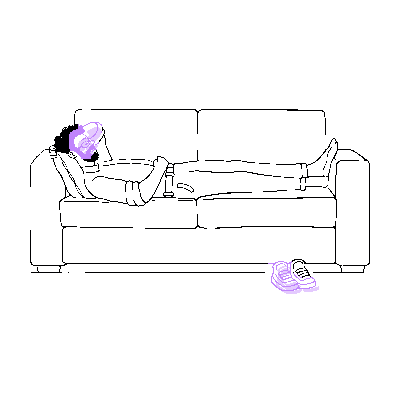
INTJの睡眠パターンとクロノタイプ
INTJは全タイプの中で最も自然な夜型の一つです。深夜の静寂な時間帯に彼らの内面は目覚め、外部の雑音が消え、戦略とビジョンに満ちた豊かな内面世界が中断なく活動できます。多くのINTJは午後11時から午前3時の間に最も重要な洞察と最も清しい思考が得られると報告しています。
INTJは全タイプの中で最も自然な夜型の一つです。深夜の静寂な時間帯に彼らの内面は目覚め、外部の雑音が消え、戦略とビジョンに満ちた豊かな内面世界が中断なく活動できます。多くのINTJは午後11時から午前3時の間に最も重要な洞察と最も清しい思考が得られると報告しています。
INTJの優勢機能Ni(内向的直観)はパターンを継続的に統合する機能であり、完全な能力を発揮するためには感覚的ノイズを最小限に抑える必要があります。夜は複雑な洞察を紡い價にNiが紡び合わせるための理想的な低刺激環境を提供します。補助機能Te(外向的思考)はこれらの洞察を実行可能なフレームワークに整理し、INTJの深夜の計画セッションが最も効率的なシステムと戦略を生み出すことが多いです。
Ni thrives in solitude and stillness. The reduced sensory input of nighttime allows INTJs to access their deepest pattern-recognition abilities, making late hours feel like a mental playground where connections form effortlessly.
Te kicks in during late morning and early afternoon, when the INTJ translates night-born insights into structured plans, spreadsheets, and execution timelines. This is their peak window for implementing what they envisioned the night before.
INTJs typically wake slowly, often needing 60-90 minutes of quiet before they feel mentally present. Morning energy is low and reserved for routine tasks. By late morning, Te engagement rises and they can tackle analytical work. After lunch, energy dips slightly, but a second wind arrives around 8 PM. From 10 PM onward, their Ni function ignites and they enter a flow state that can easily carry them past 2 AM if left unchecked.
11 PM - 3 AM
10 AM - 1 PM
2 PM - 4 PM
Wake naturally around 8-9 AM. Avoid social interaction for the first hour. Use this time for a slow coffee ritual, light reading, or reviewing the previous night’s notes. Physical exercise in the morning helps activate the body while the mind is still warming up.
Schedule meetings, collaborative work, and Te-heavy tasks (data analysis, project management, decision-making) between 10 AM and 2 PM. After lunch, handle administrative tasks or lower-energy work. Late afternoon is good for brief social interactions.
After 7 PM, begin transitioning into creative/strategic mode. This is the ideal time for research, reading, writing, or deep problem-solving. Allow Ni to take the lead without forcing structure. Keep the environment dim and quiet to signal the brain that deep-work mode is engaged.
Set a non-negotiable shutdown time (ideally midnight on work nights). Use a brain-dump journal to capture lingering ideas so Ni doesn’t keep cycling. Avoid screens for the last 30 minutes — switch to physical books or ambient music. Aim for 7-8 hours of sleep even if it feels like ‘wasted time.’
INTJs who fight their night owl nature and force early schedules often experience chronic low-grade fatigue and reduced creative output. However, consistently sleeping past 2 AM raises cortisol dysregulation risks. The healthiest approach is a midnight-to-8 AM sleep window that honors the owl tendency while ensuring adequate rest and morning light exposure.
INTJ night owls often clash with early bird partners (ESFJ, ESTJ) who want shared morning routines. The key is designing ‘overlap windows’ — shared meals and quality time in the early evening before the INTJ retreats into deep-work mode. Understanding that different productivity peaks are features, not flaws, prevents resentment on both sides.
INTJのこのクロノタイプ分析は、MBTIの認知機能と概日リズム研究の間の相関に基づいています。個人の睡眠パターンは異なり、遺伝子、年齢、ライフスタイル、環境の影響を受けます。このコンテンツは情報提供とエンターテインメント目的のみであり、睡眠障害や健康状態についての専門的な医療アドバイスの代替ではありません。