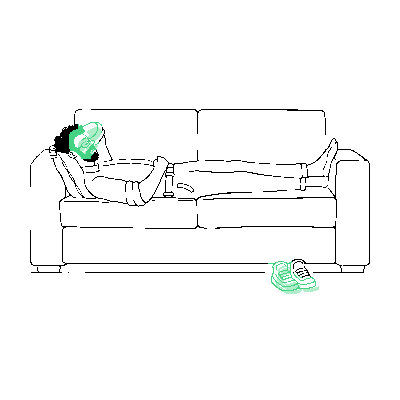
INFPの睡眠パターンとクロノタイプ
INFPは夢想的な夜型で、割れ目と眠りの間の閄界領域で創造性が開花します。彼らの夜間の傾向は生産性よりも真正性に関わっており、夜は社会的な規範を全て脱いで、内面の感情的驙流を裁きなしに探索し、純粋な誠実さから創作できる時間です。多くのINFPにとって、午前3時以降の静寂な時間帯は世界が自分の内面のペースに合致する唯一の時間です。
INFPは夢想的な夜型で、割れ目と眠りの間の閄界領域で創造性が開花します。彼らの夜間の傾向は生産性よりも真正性に関わっており、夜は社会的な規範を全て脱いで、内面の感情的驙流を裁きなしに探索し、純粋な誠実さから創作できる時間です。多くのINFPにとって、午前3時以降の静寂な時間帯は世界が自分の内面のペースに合致する唯一の時間です。
INFPの優勢機能Fi(内向的感情)はあらゆることを深く個人的な価値体系に照らし合わせる非常に内密な機能です。昇の間、Fiは真の好みと矛盾する社会的期待を常にナビゲートしており、潜在的な緊張感を常に底流に持っています。夕方、社会的圧力が淣れるとFiはやっと自由に自己表現できます。補助機能Ne(外向的直観)はこの感情的自由を創造的可能性に変えます。
Fi needs safety to fully express itself, and the darkness and solitude of nighttime provide exactly that. The reduction in social observation allows INFPs to access emotions they may not even be aware of during the day, fueling their most authentic creative work.
Ne is most playful and uninhibited during evening hours, when the day’s structure has dissolved. Free from deadlines and expectations, Ne generates imaginative connections that Fi can evaluate for emotional resonance, creating the INFP’s signature blend of creativity and depth.
INFPs wake reluctantly, often with vivid dream fragments lingering. Morning energy is soft and diffuse — good for gentle creative tasks but not demanding work. They slowly build momentum through late morning, reaching their best analytical capacity around 11 AM. Afternoon energy is moderate and socially oriented. After 5 PM, a transition period occurs where the INFP turns inward. By 9 PM, a warm creative surge begins, building steadily until it peaks around midnight. This creative flow feels effortless and deeply fulfilling, making it psychologically difficult to interrupt for sleep.
10 PM - 2 AM
11 AM - 1 PM
3 PM - 6 PM
Wake gently around 8:30-9 AM without harsh alarms. Allow 30-45 minutes of slow emergence — stay in bed with a journal, sketch, or simply lie with eyes closed processing dreams. Morning is not for productivity; it’s for emotional calibration. Light stretching or yoga complements the INFP’s gradual waking process better than intense exercise.
Late morning (11 AM - 1 PM) is the window for tasks requiring analytical precision — editing, planning, administrative work. Early afternoon is the best social window; use it for meetings, collaboration, and relational tasks. By 4 PM, begin protecting energy for the creative evening ahead. A walk in nature during late afternoon recharges both body and spirit.
After 8 PM, settle into a creative sanctuary. This is the time for writing, music, art, or any form of authentic self-expression. The key is low pressure — create for yourself, not for an audience. Dim, warm lighting and a cozy environment amplify the INFP’s natural evening creative state.
Begin a gradual wind-down at 11:30 PM. If creative inspiration is still flowing, set a ‘capture’ timer — spend 10 minutes recording the core of the idea (voice memo, quick sketch, bullet points) with permission to continue tomorrow. Read fiction or poetry before bed to redirect Ne into passive mode. Aim for lights-out by midnight.
INFPs who consistently suppress their creative nighttime window to conform to early schedules often develop low-grade depression or creative frustration. Their Fi function needs that nightly expression outlet. However, sleep deprivation reduces emotional resilience — the very quality INFPs depend on. Finding a balance between creative expression and adequate sleep (at least 7 hours) is critical for INFP mental health.
INFPs paired with early bird types (particularly ISTJ or ESTJ) face the classic romantic timing mismatch. The INFP is writing poetry at midnight while their partner has been asleep since 10 PM. Rather than forcing synchronization, successful couples create intentional connection rituals (shared dinner, evening walks) that bridge the gap before their schedules diverge for the night.
INFPのこのクロノタイプ分析は、MBTIの認知機能と概日リズム研究の間の相関に基づいています。個人の睡眠パターンは異なり、遺伝子、年齢、ライフスタイル、環境の影響を受けます。このコンテンツは情報提供とエンターテインメント目的のみであり、睡眠障害や健康状態についての専門的な医療アドバイスの代替ではありません。