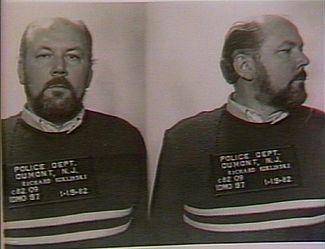
Serial KillersAmerican
Ted Bundy
“The Campus Killer”
 ISTP - The Cold Operator
Active:1974-1978
Life:1946 - 1989
Victims:Confessed to 30 murders; actual count likely higher
“We serial killers are your sons, we are your husbands, we are everywhere.”
Educational Content: This psychological analysis is for educational purposes only - to understand criminal behavior patterns and warning signs. We do not glorify or condone criminal acts.
Biography
Theodore Robert Bundy was an American serial killer who kidnapped, raped, and murdered at least 30 young women during the 1970s. His true victim count may never be known - estimates range as high as 100 or more.
Bundy was superficially charming and intelligent, working on political campaigns and earning a law degree while secretly leading a double life as a predator. He typically targeted young women with long dark hair parted in the middle (resembling his first girlfriend who rejected him), often approaching them in public places while wearing a fake cast or impersonating authority figures.
After multiple escapes from custody and a final killing spree in Florida, Bundy was finally captured in 1978. During his trial, he represented himself and attempted to manipulate the proceedings for attention. He was executed in Florida's electric chair on January 24, 1989, after confessing to 30 murders in his final interviews.
Bundy's case revolutionized criminal profiling and demonstrated that serial killers could appear completely normal - even attractive and educated.
Psychological Profile: ISTP
Bundy exemplifies the ISTP's detachment taken to psychopathic extremes:
**Dominant Ti (Introverted Thinking):** Bundy analyzed situations with cold logic, treating murder as a technical problem to solve. He constantly refined his methods and learned from mistakes, approaching killing almost mechanically.
**Auxiliary Se (Extraverted Sensing):** He was highly attuned to his environment and physical opportunities. His crimes were opportunistic yet calculated, showing Se's ability to respond to immediate circumstances.
**Tertiary Ni (Introverted Intuition):** Bundy could anticipate patterns and plan escapes that showed strategic thinking. His courtroom manipulation demonstrated ability to see several moves ahead.
**Inferior Fe (Extraverted Feeling):** His charm was entirely manufactured - a mask hiding complete emotional emptiness. He understood emotions intellectually but felt nothing, using Fe as a tool rather than authentic connection.
Cognitive Function Analysis
Dominant
Ti - Cold analytical approach to murder
Auxiliary
Se - Opportunistic environmental awareness
Tertiary
Ni - Strategic planning and pattern recognition
Inferior
Fe - Manufactured charm without genuine emotion
Warning Signs Exhibited
- ⚠Childhood animal cruelty and voyeurism
- ⚠Grandiose self-image despite humble origins
- ⚠Superficial charm masking emotional emptiness
- ⚠Pattern of targeting similar-looking victims
- ⚠Inability to accept rejection or loss of control
- ⚠Enjoyment of media attention during trial