🕊️ Loại Trung Gian~50% of the population

ENFP ChronotypeThe MotivatorLoại Trung Gian

Khuôn Mẫu Giấc Ngủ & Kiểu Thời Gian Sinh Học của ENFP

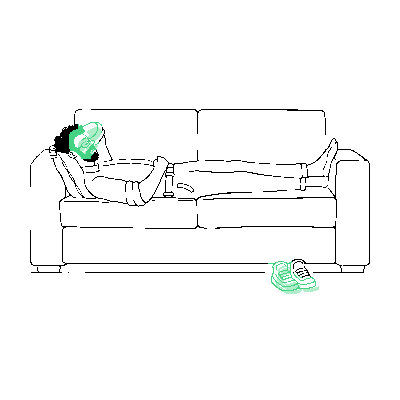
ENFP có những mô hình năng lượng khó đoán nhất trong tất cả các kiểu MBTI. Lịch trình ngủ của họ có thể thay đổi nhiều giờ trong một ngày nhất định tùy thuộc vào sự hăng hái hiện tại, năng lượng xã hội và chúng đang sa vào hố thỏ gì có vẻ hấp dẫn. Một tuần họ dậy lúc 6 giờ sáng cho thói quen yoga mới; tuần tiếp theo họ thức đến 3 giờ sáng để vẽ. Bản chất trung gian thực sự của họ có nghĩa là họ có thể đạt đỉnh gần như bất kỳ giờ nào, nhưng không gian năng lượng nhất quán nhất của họ rơi vào cuối buổi sáng đến đầu buổi chiều.

Tại sao ENFP là Loại Trung Gian: Chức năng Nhận thức & Giấc ngủ

Ne chủ đạo (Trực giác Ngoại tâm) là một máy phát tạo khả năng hướng ngoại rút năng lượng từ sự mới mẻ, kết nối và khám phá — tất cả đều có thể được tiếp cận bất kỳ giờ nào. Khác với vòng lặp Ne-Ti về đêm của ENTP, Fi phụ (Cảm xúc Nội tâm) của ENFP thêm một chiều kích cảm xúc có thể tăng cường năng lượng (khi một dự án có vẻ ý nghĩa) hoặc tiêu tốn nhanh chóng (khi thiếu ý nghĩa). Ne-Fi cùng nhau tạo ra một kiểu nhịp sinh học thay đổi theo bối cảnh cảm xúc chứ không phải các mô hình sinh học cố định.

Chức Năng Chủ Đạo

Ne is maximally stimulated during high-novelty periods, which can occur morning, afternoon, or night. The ENFP’s energy doesn’t follow a clock — it follows interest. A boring task at 10 AM will drain them; an exciting conversation at 1 AM will energize them. This makes strict chronotype categorization almost impossible.

Chức Năng Phụ Trợ

Fi determines which Ne pursuits feel meaningful enough to sustain energy. When Fi is engaged (a project aligned with values, a cause they believe in), the ENFP can maintain high energy for 16+ hours. When Fi is disengaged, even 8 hours of sleep won’t prevent midday exhaustion.

Khuôn Mẫu Năng Lượng của ENFP Trong Ngày

ENFPs wake with variable energy — some mornings feel electric, others feel impossibly heavy, depending on whether they went to bed excited or depleted. When well-rested, a gentle morning creativity appears around 9 AM, building to a buzzing late-morning peak (10 AM - 1 PM) that is their most reliably productive window. Afternoon is socially strong but analytically scattered. A dip around 4-5 PM gives way to a variable evening — sometimes a creative second wind at 8 PM, sometimes complete exhaustion by 7 PM. The ENFP’s energy is the least predictable and most context-dependent of all sixteen types.

Khung Giờ Năng Suất Đỉnh Cao của ENFP

🎨

Đỉnh Sáng Tạo

10 AM - 1 PM

📊

Đỉnh Phân Tích

11 AM - 2 PM

🤝

Đỉnh Giao Tiếp Xã Hội

12 PM - 6 PM

Thách Thức Giấc Ngủ Thường Gặp của ENFP

  • !Wildly inconsistent bedtimes — the ENFP who went to bed at 10 PM on Monday might not sleep until 2 AM on Tuesday because something fascinating captured their attention
  • !Difficulty establishing sleep routines because Ne actively rebels against repetition and Fi resists schedules that feel inauthentic or forced
  • !Emotional processing at bedtime — Fi needs to ‘feel’ through the day’s experiences, which can take anywhere from 5 minutes to 2 hours depending on emotional intensity

Lịch Trình Hàng Ngày Lý Tưởng cho ENFP

🌅

Buổi sáng

Wake between 7:30-8:30 AM (allow flexibility within this range rather than forcing a fixed time). Morning is for inspiration, not discipline: listen to motivating music, read something that sparks curiosity, or journal about yesterday’s emotional landscape. Light exercise that feels fun (dancing, playground-style movement) works better than rigid gym routines.

☀️

Buổi chiều

The 10 AM - 1 PM window is the creative power zone — use it for brainstorming, writing, designing, or any work that requires Ne-Fi combination. Early afternoon (1-3 PM) is the social peak: meetings, collaboration, networking. Late afternoon is typically scattered — use it for low-stakes tasks, errands, or playful exploration.

🌆

Buổi tối

Evenings are unpredictable by nature. On high-energy nights, channel the creative surge into specific projects rather than letting Ne scatter across ten things. On low-energy nights, honor the depletion with genuine rest. The ENFP’s biggest evening challenge is distinguishing between ‘I’m tired’ and ‘I’m bored’ — they often push through fatigue because sitting still feels boring.

🌙

Giờ đi ngủ

Create a ‘flexible framework’ rather than a rigid routine: aim for bed between 11 PM - 12 AM, with a 30-minute wind-down that varies by mood. Some nights it’s journaling, some nights it’s music, some nights it’s a podcast. The constant should be a digital device cutoff 20 minutes before sleep, as screen-based Ne stimulation is the biggest bedtime trap for this type.

Lời Khuyên Tối Ưu Hóa Giấc Ngủ cho ENFP

  • Embrace your variable schedule but set guardrails: allow bedtime to float within a 90-minute window (10:30 PM - 12 AM) rather than swinging between 9 PM and 3 AM
  • Use ‘interest-based alarms’ — instead of a boring beep, set your alarm to a new song, an inspiring quote, or a podcast that makes waking feel like an adventure rather than an obligation
  • When you can’t sleep because Fi is processing emotions, speak them into a voice memo rather than lying awake thinking in circles — externalization helps Fi complete its processing faster
  • Your most reliable productivity window is 10 AM - 1 PM regardless of your previous night’s sleep — protect these hours and schedule your most important creative work during this time

Hiểu Biết Sức Khỏe cho ENFP Loại Trung Gian

ENFPs’ erratic sleep schedules create a form of ‘social jet lag’ that is less severe than the night owl’s version but more unpredictable. The key health risk is the boom-bust cycle: three nights of 5-hour sleep fueled by excitement, followed by a 12-hour crash. This pattern disrupts circadian consistency more than being a steady night owl. Maintaining even a loose sleep window (within 90 minutes of the same time) significantly improves ENFP cognitive function and emotional stability.

Tương Thích Kiểu Thời Gian Sinh Học của ENFP

ENFPs are surprisingly compatible with most chronotypes because their flexibility allows genuine adaptation. However, they struggle most with ISTJ early birds who expect schedule consistency and interpret the ENFP’s variable timing as irresponsibility. The ENFP needs to demonstrate reliability through results rather than schedule adherence, while the ISTJ needs to accept that consistent output can come from inconsistent timing.

Các Loại Loại Trung Gian Khác

Khám phá thêm

Về Phân Tích Này

Phân tích kiểu thời gian sinh học này dành cho ENFP dựa trên mối tương quan giữa các chức năng nhận thức MBTI và nghiên cứu nhịp sinh học. Nội dung này chỉ nhằm mục đích thông tin và không nên thay thế lời khuyên y tế chuyên nghiệp.