Anne Frank - ENFP Personality Type

Anne FrankENFP - ํ™œ๋™๊ฐ€

Author, Holocaust Victim

์ถœ์‹ 

Germany/Netherlands

์œ ํ˜• ์‹ ๋ขฐ๋„

๋„๋ฆฌ ๋ฐ›์•„๋“ค์—ฌ์ง

Quick Facts

Born
June 12, 1929
Birthplace
Frankfurt, Germany
Nationality
German-Dutch
Height
5'4" (163 cm)
Zodiac Sign
Education
Amsterdam Jewish Lyceum
Known For
The Diary of Anne FrankHolocaust witnesshope amid persecutionmost-read diary in history

Who is Anne Frank?

Annelies Marie Frank was born on June 12, 1929, in Frankfurt, Germany, the second daughter of Otto Heinrich Frank and Edith Hollรคnder Frank. Her family was secular Jewish, assimilated into German middle-class life. The rise of National Socialism progressively dismantled the world her family inhabited โ€” laws restricting Jewish life, violence in the streets, the withdrawal of legal protections. In 1933, Otto Frank moved his family to Amsterdam. For several years, Anne grew up as an ordinary girl in a new country โ€” making friends, attending school, developing the sharp observational wit and social intelligence that would define her diary.

Germany invaded the Netherlands in May 1940. Anti-Jewish measures were implemented rapidly and systematically. In July 1942, the family received a call-up notice for Margot โ€” notification of deportation. The next day, the Franks went into hiding in a secret annex of her father's office building at Prinsengracht 263, Amsterdam. They would remain hidden for 761 days, joined by four other people. On August 4, 1944, the hiding place was raided; all eight inhabitants were arrested and transported to concentration camps.

Anne and her sister Margot were transferred to Bergen-Belsen concentration camp, where both died of typhus in February or March 1945, approximately two months before Germany's surrender. Anne was fifteen or sixteen. Otto Frank was the only one of the eight to survive. Returning to Amsterdam, he was given Anne's diary, rescued from the annex by Miep Gies. Het Achterhuis (The Secret Annex) was published in the Netherlands in 1947. Translated into dozens of languages, it has sold over 35 million copies and become one of the most read books in history.

Anne Frank's ENFP nature shines through every page of the diary: the creative energy, the passionate engagement with ideas and people, the intense self-examination, the driving ambition to be a writer, the insistence on finding beauty and meaning even in conditions of terror. The ENFP's particular gift is the ability to hold simultaneously the ideal and the real โ€” to know that the world is terrible and to insist that it also contains beauty. Anne's most famous lines โ€” 'Despite everything, I believe that people are still good at heart' โ€” are the ENFP's most essential truth, written in conditions that would have extinguished a less vital spirit. She was not naive; the diary shows sophisticated understanding of the situation. She simply refused to let that understanding consume her capacity for joy, curiosity, and hope.
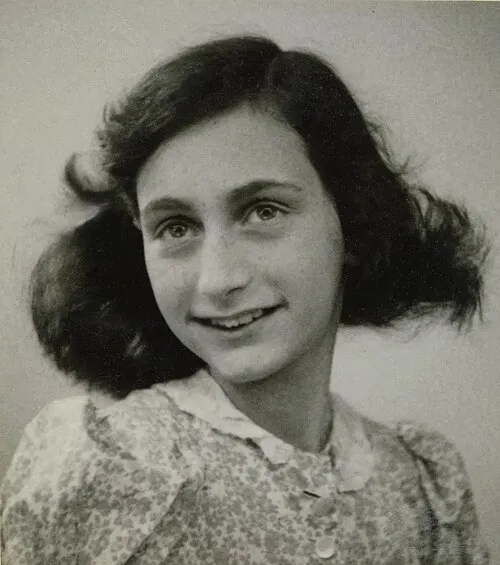

Anne Frank์˜ ENFP ์„ฑ๊ฒฉ ์œ ํ˜•

Author, Holocaust Victim์œผ๋กœ ์•Œ๋ ค์ง„ Anne Frank์€ ENFP ์„ฑ๊ฒฉ ์œ ํ˜• - ํ™œ๋™๊ฐ€์˜ ์ „ํ˜•์ ์ธ ํŠน์„ฑ์„ ๋ณด์—ฌ์ค๋‹ˆ๋‹ค. ์ด ์„ฑ๊ฒฉ ํ”„๋กœํ•„์€ ์„ธ์ƒ์„ ์ธ์‹ํ•˜๊ณ  ๊ฒฐ์ •์„ ๋‚ด๋ฆฌ๋Š” ๋ฐฉ์‹์„ ํ˜•์„ฑํ•˜๋Š” ๊ณ ์œ ํ•œ ์ธ์ง€ ๊ธฐ๋Šฅ์˜ ์กฐํ•ฉ์ด ํŠน์ง•์ž…๋‹ˆ๋‹ค.

Anne Frank์˜ ํ•ต์‹ฌ ENFP ํŠน์„ฑ

ENFP์œผ๋กœ์„œ Anne Frank์€ ์ด ์„ฑ๊ฒฉ ์œ ํ˜•๊ณผ ๊ด€๋ จ๋œ ํ•ต์‹ฌ ํŠน์„ฑ์„ ๋ณด์—ฌ์ค๋‹ˆ๋‹ค. ์ด๋Ÿฌํ•œ ํŠน์„ฑ๋“ค์€ Author, Holocaust Victim์œผ๋กœ์„œ์˜ ์„ฑ๊ณต๊ณผ ๊ณต์  ํŽ˜๋ฅด์†Œ๋‚˜์— ์ค‘์š”ํ•œ ์—ญํ• ์„ ํ–ˆ์Šต๋‹ˆ๋‹ค. ์„ฑ๊ฒฉ ์œ ํ˜•์„ ์ดํ•ดํ•˜๋ฉด ๊ทธ๋“ค์˜ ๋™๊ธฐ, ๊ฐ•์ , ๊ทธ๋ฆฌ๊ณ  ์ž์‹ ์˜ ๋ถ„์•ผ์— ๊ฐ€์ ธ์˜ค๋Š” ๋…ํŠนํ•œ ๊ด€์ ์„ ํŒŒ์•…ํ•  ์ˆ˜ ์žˆ์Šต๋‹ˆ๋‹ค.

Anne Frank์ด ENFP์œผ๋กœ ๋ถ„๋ฅ˜๋˜๋Š” ์ด์œ 

ENFP ์„ฑ๊ฒฉ ์œ ํ˜•์€ 16๊ฐ€์ง€ ๋งˆ์ด์–ด์Šค-๋ธŒ๋ฆญ์Šค ์„ฑ๊ฒฉ ์œ ํ˜• ์ค‘ ํ•˜๋‚˜์ด๋ฉฐ, Anne Frank์˜ ๊ณต์  ํ–‰๋™, ์˜์‚ฌ๊ฒฐ์ • ํŒจํ„ด, ์†Œํ†ต ์Šคํƒ€์ผ์ด ์ด ๋ถ„๋ฅ˜์™€ ๋ฐ€์ ‘ํ•˜๊ฒŒ ์ผ์น˜ํ•ฉ๋‹ˆ๋‹ค. Anne Frank๊ณผ ๊ฐ™์€ ENFP ๊ฐœ์ธ๋“ค์€ ๋ฌธ์ œ ํ•ด๊ฒฐ๊ณผ ๋Œ€์ธ ๊ด€๊ณ„์— ๋Œ€ํ•œ ๋…ํŠนํ•œ ์ ‘๊ทผ ๋ฐฉ์‹์œผ๋กœ ์•Œ๋ ค์ ธ ์žˆ์Šต๋‹ˆ๋‹ค.

Anne Frank's Notable Works

1942

Diary Begins

Anne begins keeping a diary on her 13th birthday, addressing entries to imaginary friend 'Kitty'

1944

Radio Broadcast Inspiration

Hears Dutch minister's call for diaries; begins revising for possible publication

1947

Het Achterhuis Published

Diary published in Netherlands after Otto Frank overcomes initial rejections

1952

Diary of a Young Girl (English)

English translation begins global spread; over 35 million copies sold worldwide

Anne Frank's Mystic Profile

Discover Anne Frank's cosmic connections through zodiac, tarot, crystals, and spirit animals.

โ™Š

gemini

Zodiac Prediction

Gemini is the sign of the writer-communicator โ€” the one whose fundamental drive is to understand the world through language, to make sense of complexity by writing it down. Anne's Gemini energy drives the diary itself: the compulsive need to record, to analyze, to transform experience into language. Gemini rules the twin nature โ€” the person who can hold opposing truths simultaneously โ€” and Anne's diary is full of this capacity: the ability to love her family and see their flaws, to be terrified and curious, to document horror while insisting on beauty.

๐Ÿƒ

the star

Tarot Card Match

The Star is the tarot's card of hope maintained after catastrophe โ€” the patient, steady light that continues to shine even when the sky is dark. Anne's famous declaration that she still believes people are good at heart, written in conditions of genuine terror, is the purest possible expression of The Star's energy: the hope that is not naive because it knows exactly how dark it is and chooses to reach toward light anyway. Anne's diary, never intended for millions of readers, has done exactly what The Star does: given freely from her own darkness to illuminate the lives of readers she would never meet.

๐Ÿ’Ž

citrine

Crystal Match

Citrine โ€” the stone of light preserved in amber, of warmth that endures, of the sunlight that continues within the crystal even when the sun cannot be seen โ€” clicks with Anne's extraordinary capacity to maintain inner light in conditions of outer darkness. The annex was a place of literal and metaphorical darkness: fear, confinement, the impossibility of light-seeking when existence itself was under threat. Anne's diary is citrine: the warmth and light crystallized and preserved, carried forward into a world that needed this reminder that human vitality cannot be extinguished by external force.

๐Ÿฆ

nightingale

Spirit Animal

The nightingale sings most beautifully in the dark โ€” its song is the night's song, the act of beauty maintained precisely when beauty seems most impossible. Anne's diary is nightingale work: the sustained creative act in conditions designed to suppress creativity, the insistence on inner life when outer life was being systematically dismantled. Keats wrote of the nightingale that its song was 'not born for death'; Anne Frank's words have proven exactly this truth: the nightingale stopped singing at fifteen, and its song has been heard by hundreds of millions ever since.

๋” ๋งŽ์€ ์œ ๋ช…ํ•œ ENFP ์„ฑ๊ฒฉ

์ด ๋ถ„์„์— ๋Œ€ํ•ด

Anne Frank์— ๋Œ€ํ•œ ์ด ์„ฑ๊ฒฉ ์œ ํ˜• ๋ถ„์„์€ ๊ณต๊ฐœ์ ์œผ๋กœ ์ด์šฉ ๊ฐ€๋Šฅํ•œ ์ •๋ณด, ์ธํ„ฐ๋ทฐ, ์ „๊ธฐ, ํ–‰๋™ ๊ด€์ฐฐ์„ ๋ฐ”ํƒ•์œผ๋กœ ํ•ฉ๋‹ˆ๋‹ค. ENFP ์œ ํ˜• ๋ถ„๋ฅ˜๋Š” ์„ฑ๊ฒฉ ์œ ํ˜• ์• ํ˜ธ๊ฐ€ ๋ฐ ์ „๋ฌธ๊ฐ€๋“ค์˜ ์ „๋ฌธ์ ์ธ ํ‰๊ฐ€๋ฅผ ๋‚˜ํƒ€๋‚ด์ง€๋งŒ, ๋ช…์‹œ์ ์œผ๋กœ ์–ธ๊ธ‰๋˜์ง€ ์•Š๋Š” ํ•œ ๊ณต์‹ ํ™•์ธ์œผ๋กœ ๊ฐ„์ฃผํ•ด์„œ๋Š” ์•ˆ ๋ฉ๋‹ˆ๋‹ค. ์„ฑ๊ฒฉ์€ ๋ณต์žกํ•˜๊ณ  ๋‹ค๋ฉด์ ์ด๋ฉฐ, ๊ณต์ ์ธ ํŽ˜๋ฅด์†Œ๋‚˜๋Š” ์‚ฌ์ ์ธ ์„ฑ๊ฒฉ๊ณผ ๋‹ค๋ฅผ ์ˆ˜ ์žˆ์Šต๋‹ˆ๋‹ค.

โ˜•