INFP 수면 패턴 & 크로노타입
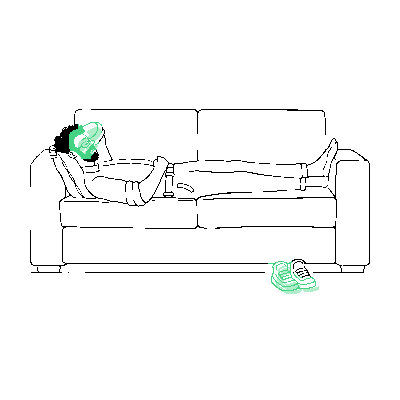
INFP는 깨어 있음과 잠 사이의 경계 공간에서 창의성이 꽃피는 몽상적인 올빼미형입니다. 이들의 야행성 특성은 생산성보다 진정성과 더 관련이 있습니다. 밤은 INFP가 모든 사회적 가면을 벗고, 판단 없이 내면의 감정적 풍경을 탐색하며, 날것의 정직함에서 창작할 수 있는 시간입니다. 많은 INFP에게 자정 이후의 조용한 시간은 세상이 자신의 내면 템포와 일치하는 유일한 순간처럼 느껴집니다.
INFP는 깨어 있음과 잠 사이의 경계 공간에서 창의성이 꽃피는 몽상적인 올빼미형입니다. 이들의 야행성 특성은 생산성보다 진정성과 더 관련이 있습니다. 밤은 INFP가 모든 사회적 가면을 벗고, 판단 없이 내면의 감정적 풍경을 탐색하며, 날것의 정직함에서 창작할 수 있는 시간입니다. 많은 INFP에게 자정 이후의 조용한 시간은 세상이 자신의 내면 템포와 일치하는 유일한 순간처럼 느껴집니다.
주요 기능인 Fi(내향적 감정)는 모든 것을 깊이 개인적인 가치 체계로 평가하는 강렬하게 사적인 기능입니다. 낮에 Fi는 진정한 선호와 충돌할 수 있는 사회적 기대를 지속적으로 헤쳐나가야 하며, 이는 밑에 깔린 긴장감의 흐름을 만들어 냅니다. 밤에 사회적 압박이 해소되면 Fi는 마침내 자유롭게 표현될 수 있습니다. 보조 기능인 Ne(외향적 직관)는 이 정서적 자유를 창의적 가능성으로 변환시켜, 낮에는 접근하기 불가능하게 느껴지는 이야기 아이디어, 예술적 비전, 상상의 탐험을 만들어 냅니다.
Fi needs safety to fully express itself, and the darkness and solitude of nighttime provide exactly that. The reduction in social observation allows INFPs to access emotions they may not even be aware of during the day, fueling their most authentic creative work.
Ne is most playful and uninhibited during evening hours, when the day’s structure has dissolved. Free from deadlines and expectations, Ne generates imaginative connections that Fi can evaluate for emotional resonance, creating the INFP’s signature blend of creativity and depth.
INFPs wake reluctantly, often with vivid dream fragments lingering. Morning energy is soft and diffuse — good for gentle creative tasks but not demanding work. They slowly build momentum through late morning, reaching their best analytical capacity around 11 AM. Afternoon energy is moderate and socially oriented. After 5 PM, a transition period occurs where the INFP turns inward. By 9 PM, a warm creative surge begins, building steadily until it peaks around midnight. This creative flow feels effortless and deeply fulfilling, making it psychologically difficult to interrupt for sleep.
10 PM - 2 AM
11 AM - 1 PM
3 PM - 6 PM
Wake gently around 8:30-9 AM without harsh alarms. Allow 30-45 minutes of slow emergence — stay in bed with a journal, sketch, or simply lie with eyes closed processing dreams. Morning is not for productivity; it’s for emotional calibration. Light stretching or yoga complements the INFP’s gradual waking process better than intense exercise.
Late morning (11 AM - 1 PM) is the window for tasks requiring analytical precision — editing, planning, administrative work. Early afternoon is the best social window; use it for meetings, collaboration, and relational tasks. By 4 PM, begin protecting energy for the creative evening ahead. A walk in nature during late afternoon recharges both body and spirit.
After 8 PM, settle into a creative sanctuary. This is the time for writing, music, art, or any form of authentic self-expression. The key is low pressure — create for yourself, not for an audience. Dim, warm lighting and a cozy environment amplify the INFP’s natural evening creative state.
Begin a gradual wind-down at 11:30 PM. If creative inspiration is still flowing, set a ‘capture’ timer — spend 10 minutes recording the core of the idea (voice memo, quick sketch, bullet points) with permission to continue tomorrow. Read fiction or poetry before bed to redirect Ne into passive mode. Aim for lights-out by midnight.
INFPs who consistently suppress their creative nighttime window to conform to early schedules often develop low-grade depression or creative frustration. Their Fi function needs that nightly expression outlet. However, sleep deprivation reduces emotional resilience — the very quality INFPs depend on. Finding a balance between creative expression and adequate sleep (at least 7 hours) is critical for INFP mental health.
INFPs paired with early bird types (particularly ISTJ or ESTJ) face the classic romantic timing mismatch. The INFP is writing poetry at midnight while their partner has been asleep since 10 PM. Rather than forcing synchronization, successful couples create intentional connection rituals (shared dinner, evening walks) that bridge the gap before their schedules diverge for the night.
INFP에 대한 이 크로노타입 분석은 MBTI 인지 기능과 일주기 리듬 연구 사이의 상관관계를 바탕으로 합니다. 개인의 수면 패턴은 유전자, 나이, 라이프스타일, 환경에 따라 다릅니다. 이 콘텐츠는 정보 제공 및 오락 목적으로만 제공되며 수면 장애나 건강 상태에 관한 전문적인 의료 조언을 대체해서는 안 됩니다.