ISFPの睡眠パターンとクロノタイプ
ISFPは自然のリズムと調和した深く太陽の動きに従うやわらかなリズムを持っています。固定的な早朝型でも遅起き型でもなく、エネルギーは時計ではなく美的、感情的な潮流と共に流れます。ビーチバケーション中のISFPは日の出を撮影するために歜明けに起きるかもしれません。同じISFPがデスクワークの局面では10時まで完全に目覚めないかもしれません。中間型の柔軟性は感覚的調和に根差しています。
ISFPは自然のリズムと調和した深く太陽の動きに従うやわらかなリズムを持っています。固定的な早朝型でも遅起き型でもなく、エネルギーは時計ではなく美的、感情的な潮流と共に流れます。ビーチバケーション中のISFPは日の出を撮影するために歜明けに起きるかもしれません。同じISFPがデスクワークの局面では10時まで完全に目覚めないかもしれません。中間型の柔軟性は感覚的調和に根差しています。
ISFPの優勢機能Fi(内向的感情)は非常に個人的で外部のスケジュールに対して耐性のある情緒的リズムを確立します。ISFPは感情的に平和であるときに良く眠れ、そうでないときは時刻にかかわらず眠れなくなります。補助機能Se(外向的感覚)は環境感受性を加えます。Fi-Seが組み合わされることで、時間よりも内面の感情状態と外部の感覚環境の一致によって形成されるクロノタイプが生まれます。
Fi determines sleep readiness through emotional processing — if the ISFP goes to bed with unresolved feelings, sleep won’t come regardless of exhaustion. Conversely, an emotionally satisfying day leads to effortless, deep sleep. Fi is the ‘sleep gatekeeper’ that no alarm clock can override.
Se creates strong environmental requirements for both sleep and productivity. The ISFP’s energy responds to aesthetic quality: a beautiful workspace increases morning productivity, a cozy bedroom improves sleep quality, and natural light regulates their circadian rhythm more powerfully than schedules do.
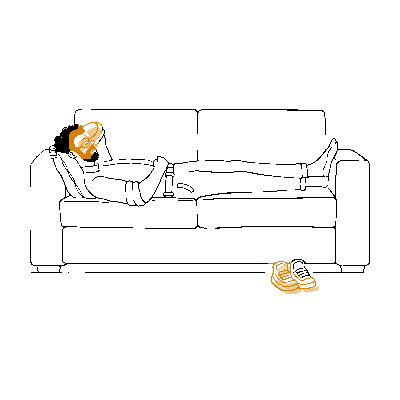
ISFPs wake slowly and sensually, often lying in bed for 15-20 minutes simply feeling into the day — noticing the light, the temperature, their emotional state. This isn’t laziness; it’s Fi-Se calibration. Energy builds gradually through the morning, reaching a creative peak around 10 AM - 1 PM when the balance of natural light and emotional readiness is optimal. Afternoon energy is warm and social. Late afternoon often brings a contemplative dip. Evening energy depends entirely on emotional state: a creatively fulfilled ISFP might paint until midnight; a depleted one might retreat to bed by 9 PM. Their natural sleep time, when uninfluenced by mood, falls around 10:30-11:30 PM.
10 AM - 1 PM
11 AM - 1 PM
2 PM - 5 PM
Wake between 7:30-8:30 AM with natural light if possible — Se responds powerfully to sunrise cues. Allow 20 minutes of sensory awakening: feel the sheets, notice the light, listen to the morning sounds. No phone for the first 30 minutes. A gentle creative activity (sketching, playing an instrument, tending plants) is the ideal way to transition into the day.
The 10 AM - 1 PM window is the creative sanctuary: use it for artistic work, design, hands-on creation, or any task that requires the Fi-Se combination of aesthetic sensitivity and physical engagement. Early afternoon is the social window: casual conversations, collaborative work, and interpersonal connection. By 4 PM, begin transitioning inward.
After 5 PM, let the evening unfold based on emotional state rather than forcing a structure. High-energy evenings: pursue creative projects, attend cultural events, or enjoy nature walks during golden hour. Low-energy evenings: cocoon in comfort, enjoy quiet media, or simply rest without guilt. The ISFP’s worst evening mistake is forcing productivity when the heart isn’t in it.
Create a sensory sanctuary: clean sheets, dim warm lighting, pleasant scent, comfortable temperature. Spend 15 minutes in emotional check-in: what do you feel? Is anything unresolved? Journal or quietly process until Fi feels settled. Then let Se carry you into sleep with physical comfort — the right pillow position, weighted blanket, ambient sounds. Aim for sleep between 10:30-11:30 PM.
ISFPs who chronically suppress their emotional processing needs develop sleep-onset insomnia because Fi’s unprocessed feelings surface the moment external stimulation stops. The solution isn’t sleeping pills or forced meditation — it’s daytime emotional expression through art, conversation, or journaling that prevents the nighttime emotional backlog. ISFPs who maintain a regular creative practice consistently report better sleep quality than those who don’t.
ISFPs pair well with types who respect their environmental sensitivity without dismissing it. An ESTJ partner who scoffs at ‘needing the right pillow’ will create chronic sleep tension, while an ENFJ who helps create a beautiful sleep environment will enhance the ISFP’s rest dramatically. The ISFP’s need for emotional peace before sleep also means unresolved relationship conflict is a direct sleep disruptor — never go to bed angry with an ISFP.
ISFPのこのクロノタイプ分析は、MBTIの認知機能と概日リズム研究の間の相関に基づいています。個人の睡眠パターンは異なり、遺伝子、年齢、ライフスタイル、環境の影響を受けます。このコンテンツは情報提供とエンターテインメント目的のみであり、睡眠障害や健康状態についての専門的な医療アドバイスの代替ではありません。