ESFPの睡眠パターンとクロノタイプ
ESFPは社交の潮流と共に流れるエネルギーサーファーです。どの時間帯でも部屋を戰かすことができ、大好きな人たちに囲まれれば願わしく高いエネルギーレベルを維持できます。中間型の傾向は午後から初期夕方に向かっています。よりESTJ向きの朝型イメージと比べて、ESFPは感染力のある喜びと自発的な温かさが最も多くの人に届けられる、正午から初期夕方の社交的な時間帯にピークを迎えます。
ESFPは社交の潮流と共に流れるエネルギーサーファーです。どの時間帯でも部屋を戰かすことができ、大好きな人たちに囲まれれば願わしく高いエネルギーレベルを維持できます。中間型の傾向は午後から初期夕方に向かっています。よりESTJ向きの朝型イメージと比べて、ESFPは感染力のある喜びと自発的な温かさが最も多くの人に届けられる、正午から初期夕方の社交的な時間帯にピークを迎えます。
ESFPの優勢機能Se(外向的感覚)はESTPと同様の刺激反応的な柔軟性を与えますが、補助機能Fi(内向的感情)は競争的エネルギーではなく社交的エネルギーと効果的に結びつく情緒的な温かさを加えます。Se-Fiが組み合わされることで、感情的なつながりと感覚的な喜びによって駆られるクロノタイプが生まれます。ESFPの軽い午後側の傾向は、Seが社交的な世界に飛び出す前に朝に温かな感情的調整を必要とするFiの特性から来ています。
Se activates most powerfully during rich sensory social experiences — live music, shared meals, group activities, spontaneous outings. The ESFP’s energy is literally generated by these experiences, making their chronotype a reflection of when social life peaks rather than an independent biological pattern.
Fi needs a quiet morning window to process yesterday’s emotions and set today’s emotional compass. This prevents the ESFP from being a pure morning person — they need time to ‘feel into’ the day before Se takes over with outward energy.
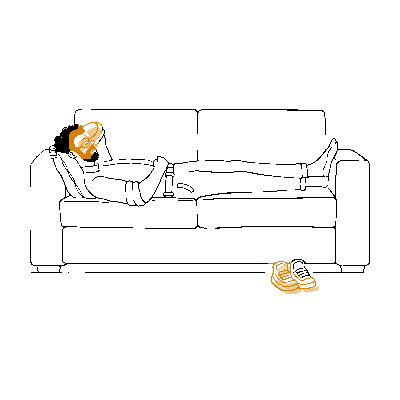
ESFPs wake gently, often slowly and reluctantly, needing 30-45 minutes of cozy, low-pressure morning time before engaging with the world. Fi’s emotional calibration runs quietly in the background during this window. By 10 AM, energy begins rising as Se starts seeking stimulation. The trajectory is upward through lunch, peaking in the early-to-mid afternoon (1-4 PM) when social and creative energy merge beautifully. Early evening sustains high social energy. Unlike morning types, the ESFP doesn’t crash at sunset — they ride social energy well into the evening, sometimes past midnight on exciting nights. But without social stimulation, they naturally wind down by 10-11 PM.
1 PM - 4 PM
10 AM - 12 PM
12 PM - 8 PM
Wake between 7:30-8:30 AM with permission for a slow start. Use the first 30-45 minutes for comfort and gentle awakening — snuggling pets, gentle music, a favorite breakfast. This is Fi time, not productivity time. Don’t force analytical work or social demands before 10 AM. Light movement (yoga, dancing in the kitchen) transitions from Fi’s softness to Se’s activation.
Late morning (10 AM - 12 PM) handles analytical tasks while energy is building. The creative and social peak (12 PM - 5 PM) is when the ESFP shines brightest — performance, collaboration, creative projects, and people-facing work all benefit from this window. This is when the ESFP’s natural charisma and spontaneous creativity are most accessible.
Early evening (5-8 PM) is ideal for social connection: dinner with friends, group activities, cultural events. After 8 PM, begin a gradual sensory reduction. The challenge is not starting new high-stimulation activities after 9 PM on work nights. Physical activity (dance, sports) should conclude by 8 PM to allow the nervous system to cool down.
Start wind-down at 10 PM with sensory comfort rituals: a warm shower, favorite pajamas, scented candle or lotion, comfortable textures. Se needs a gentle landing, not an abrupt stop. Have a 10-minute Fi check-in: how do you feel? What made you happy today? This emotional processing prevents middle-of-the-night emotional surfacing. Aim for lights-out by 11 PM.
ESFPs’ biggest health risk is the social-energy illusion — they feel wide awake in social settings even when severely sleep-deprived, because Se draws energy from external stimulation. This masks the genuine fatigue that accumulates over time. The crash comes on the first quiet evening, often as sudden, unexplained sadness or irritability. Maintaining consistent sleep timing protects against these crashes and ensures the emotional warmth that ESFPs share with others comes from genuine reserves rather than adrenaline.
ESFPs are generally easy sleep partners because their flexibility and warmth accommodate most chronotypes. They pair well with early bird ISFJs who provide the structured home environment that helps anchor the ESFP’s variable schedule. The most challenging pairing is with INTJ night owls, where the ESFP wants evening social energy and the INTJ wants evening solitude — compromise involves alternating between social evenings and quiet ones.
ESFPのこのクロノタイプ分析は、MBTIの認知機能と概日リズム研究の間の相関に基づいています。個人の睡眠パターンは異なり、遺伝子、年齢、ライフスタイル、環境の影響を受けます。このコンテンツは情報提供とエンターテインメント目的のみであり、睡眠障害や健康状態についての専門的な医療アドバイスの代替ではありません。