Organized CrimeAmerican
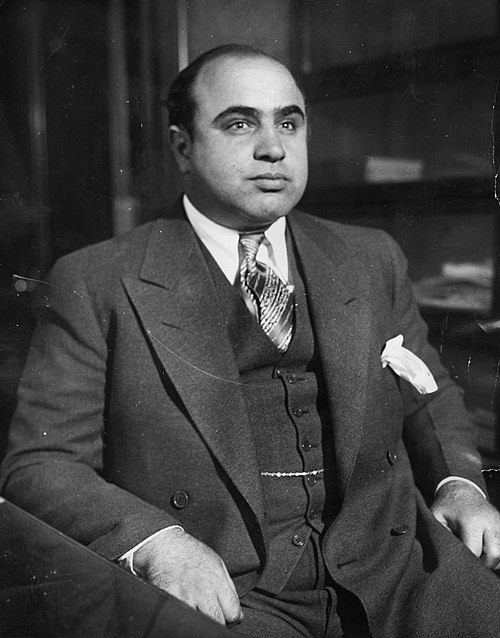
Al Capone
“Scarface”
 ESTP - The Thrill Seeker
सक्रिय:1920-1931
जीवन:1899 - 1947
पीड़ित:Unknown; ordered numerous murders including St. Valentine's Day Massacre
“You can go a long way with a smile. You can go a lot farther with a smile and a gun.”
शैक्षणिक सामग्री: यह मनोवैज्ञानिक विश्लेषण केवल शैक्षणिक उद्देश्यों के लिए है - अपराध व्यवहार पैटर्न और चेतावनी संकेतों को समझने के लिए। हम अपराधी कृत्यों को महिमामंडित या समर्थन नहीं करते।
जीवनी
Alphonse Gabriel Capone, known as "Scarface," was the most powerful crime boss of the Prohibition era. Rising from poverty in Brooklyn, Capone moved to Chicago in 1919 and quickly rose through the ranks of organized crime.
By 1925, Capone had consolidated control of Chicago's bootlegging operations, generating an estimated $100 million per year (equivalent to over $1 billion today). He controlled politicians, police, and judges, operating with near impunity. His organization also ran gambling, prostitution, and protection rackets.
Capone was known for both brutal violence and public relations savvy. The 1929 St. Valentine's Day Massacre, in which seven rival gang members were murdered, demonstrated his ruthlessness. Yet he also opened soup kitchens during the Depression and cultivated a Robin Hood image.
Unable to convict Capone for his violent crimes, the federal government pursued tax evasion charges. He was convicted in 1931 and sentenced to 11 years. Released in 1939, Capone's mental and physical health had deteriorated from syphilis. He died in 1947, a shadow of his former power.
मनोवैज्ञानिक प्रोफाइल: ESTP
Capone exemplifies ESTP characteristics applied to criminal enterprise:
**Dominant Se (Extraverted Sensing):** Capone lived fully in the moment, enjoying luxury, parties, and the immediate rewards of power. He was highly attuned to opportunities and threats, responding instantly to changing situations.
**Auxiliary Ti (Introverted Thinking):** His ability to organize a complex criminal enterprise, manage logistics, and solve problems showed strong Ti supporting his Se dominance.
**Tertiary Fe (Extraverted Feeling):** Capone was charismatic and understood how to win public favor. His soup kitchens and media savvy showed Fe awareness of social dynamics, even if used manipulatively.
**Inferior Ni (Introverted Intuition):** His failure to anticipate the tax evasion prosecution and plan for long-term consequences shows the ESTP blind spot. He was so focused on the present that the future caught up with him.
संज्ञानात्मक कार्य विश्लेषण
प्रभावी
Se - Immediate response to opportunities and threats
सहायक
Ti - Logical organization of criminal operations
तीसरा
Fe - Charisma and public relations instinct
निम्न
Ni - Blind spot for long-term consequences
प्रदर्शित चेतावनी संकेत
- ⚠Early involvement in street gangs and violence
- ⚠Rapid rise through intimidation and murder
- ⚠Lavish lifestyle attracting attention
- ⚠Belief in own invincibility
- ⚠Public persona masking brutal reality
- ⚠Inability to plan for long-term consequences