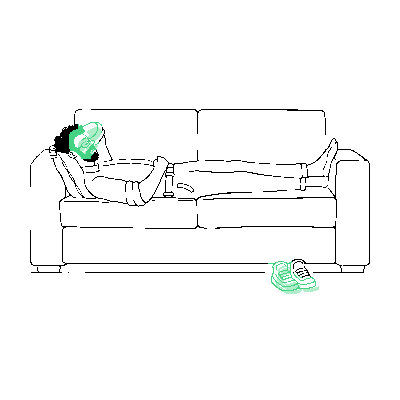
🦉 Nachteule~25% of the population

INFJ ChronotypeThe CounselorNachteule

INFJ-Schlafmuster & Chronotyp

INFJs sind stille Nachteulen, deren nachtliche Tendenzen aus emotionaler Notwendigkeit statt aus reinem intellektuellem Antrieb stammen. Nachdem sie den Tag damit verbracht haben, die Emotionen anderer durch ihre kraftvolle Fe-Funktion aufzusaugen, brauchen INFJs die Einsamkeit der Nacht, um zu dekomprimieren, zu verarbeiten und sich wieder mit ihrer eigenen inneren Welt zu verbinden. Die spaten Stunden sind der Zeitpunkt, an dem INFJs sich endlich wie sie selbst fuhlen - befreit vom Gewicht der Bedurfnisse anderer.

Warum INFJs Nachteules sind: Kognitive Funktionen & Schlaf

Die dominante Funktion Ni (Introvertierte Intuition) teilt dieselbe nachtliche Affinitat wie die des INTJ und sehnt sich nach reizschwachen Umgebungen fur ihre musterweb ende Arbeit. Die Hilfsfunktion Fe (Extravertiertes Fuhlen) des INFJ fugt jedoch eine einzigartige Dimension hinzu - der Tag wird damit verbracht, sich auf die emotionalen Zustande anderer einzustimmen, was energetisch erschopfend ist. Die Nacht wird zur einzigen Zeit, in der Ni ohne das standig laufende soziale Radar von Fe arbeiten kann, was die Abendstunden sowohl wiederherstellend als auch kreativ generierend macht.

Dominante Funktion

Ni activates most powerfully during solitary nighttime hours, producing the vivid intuitive leaps and symbolic thinking that INFJs are known for. Many INFJs describe their best writing, art, and ‘aha moments’ as happening between 10 PM and 1 AM.

Hilfsfunktion

Fe runs at high capacity during social hours, leaving the INFJ emotionally depleted by evening. The transition from Fe-mode to Ni-mode happens naturally around 8-9 PM as social obligations end, and this shift is essential for INFJ wellbeing.

INFJ-Energiemuster im Tagesverlauf

INFJs wake with moderate energy that is immediately allocated to Fe — tuning into household members’ moods, preparing for social interactions ahead. Mid-morning is their best analytical window before the social demands of the day fully consume Fe energy. Early afternoon is optimal for meetings and collaboration, but by 4-5 PM, a noticeable emotional fatigue sets in. An evening ‘recharge period’ of solitude is essential. By 9-10 PM, Ni awakens fully and creative energy surges, often lasting until midnight or beyond.

INFJ-Höchstproduktivitätsfenster

🎨

Kreativer Höhepunkt

10 PM - 1 AM

📊

Analytischer Höhepunkt

10 AM - 12 PM

🤝

Sozialer Höhepunkt

1 PM - 4 PM

Häufige Schlafherausforderungen für INFJ

  • !Replaying social interactions and worrying about others’ feelings at bedtime, making it hard to quiet the Fe ‘social radar’
  • !Using late-night solitude as the only self-care time, leading to sleep sacrifice in favor of precious alone time
  • !Vivid, emotionally intense dreams (a hallmark of dominant Ni) that can disrupt sleep quality and cause morning grogginess

Ideale Tagesroutine für INFJ

🌅

Morgen

Wake around 8 AM with a gentle, non-jarring alarm. Spend 20-30 minutes in complete solitude before engaging with anyone — journaling, meditation, or simply sitting quietly with tea. This ‘Ni buffer’ sets emotional boundaries for the day ahead and prevents immediate Fe overwhelm.

☀️

Nachmittag

Handle analytical and strategic tasks in the late morning window. Schedule emotionally demanding interactions (counseling, deep conversations, conflict resolution) for early afternoon when Fe is fresh. By mid-afternoon, begin reducing social exposure. Use the 4-6 PM window for solitary, low-pressure tasks.

🌆

Abend

After 7 PM, protect solitude fiercely. This is Ni’s domain — use it for creative writing, artistic expression, spiritual practice, or deep reading. Dim lighting and calming music enhance Ni’s natural evening activation. Avoid emotionally heavy content (news, social media drama) that re-engages Fe.

🌙

Schlafenszeit

Begin winding down at 11 PM with a deliberate emotional release ritual — journaling about the day’s emotional residue, a brief meditation, or a gratitude practice. This helps Fe ‘close its tabs.’ Keep the bedroom cool and dark to support the deep, dream-rich sleep that Ni needs for overnight insight processing.

Schlafoptimierungstipps für INFJ

  • Create a ‘feelings dump’ journal specifically for bedtime — writing out unprocessed emotions from the day prevents them from cycling through your mind as you try to sleep
  • Negotiate ‘non-negotiable alone time’ with family or partners from 9-11 PM — this is not antisocial, it’s essential maintenance for your cognitive stack
  • If vivid dreams are disrupting sleep, try a 5-minute visualization exercise before bed where you consciously ‘set’ a calm scene for Ni to process overnight
  • Resist the urge to check your phone first thing in the morning — Fe immediately locks onto others’ messages and moods, robbing you of your Ni morning buffer

Gesundheitseinblicke für INFJ-Nachteules

INFJs who chronically sacrifice sleep for alone time develop a dangerous pattern: Fe depletion during the day leads to longer night recovery needs, which leads to less sleep, which leads to even less Fe resilience. Breaking this cycle requires scheduling daytime solitude breaks (even 15 minutes) rather than relying solely on nighttime hours for emotional recovery.

INFJ-Chronotyp-Kompatibilität

INFJ night owls living with early bird ESTJ or ESFJ types can actually benefit from the schedule difference — the early bird’s early bedtime naturally provides the solitude the INFJ craves. The challenge is mornings: the early bird is energized and social while the INFJ needs silence. Establishing a ‘quiet morning’ agreement where the first hour is interaction-free can transform this from a conflict into a complementary rhythm.

Andere Nachteule-Typen

Mehr entdecken

Über Diese Analyse

Diese Chronotyp-Analyse für INFJ basiert auf Korrelationen zwischen den kognitiven MBTI-Funktionen und der zirkadianen Rhythmusforschung. Individuelle Schlafmuster variieren und werden von Genetik, Alter, Lebensstil und Umwelt beeinflusst. Dieser Inhalt dient nur zu Informations- und Unterhaltungszwecken und sollte keinen professionellen medizinischen Rat zu Schlafstörungen oder Gesundheitszuständen ersetzen.