One Piece
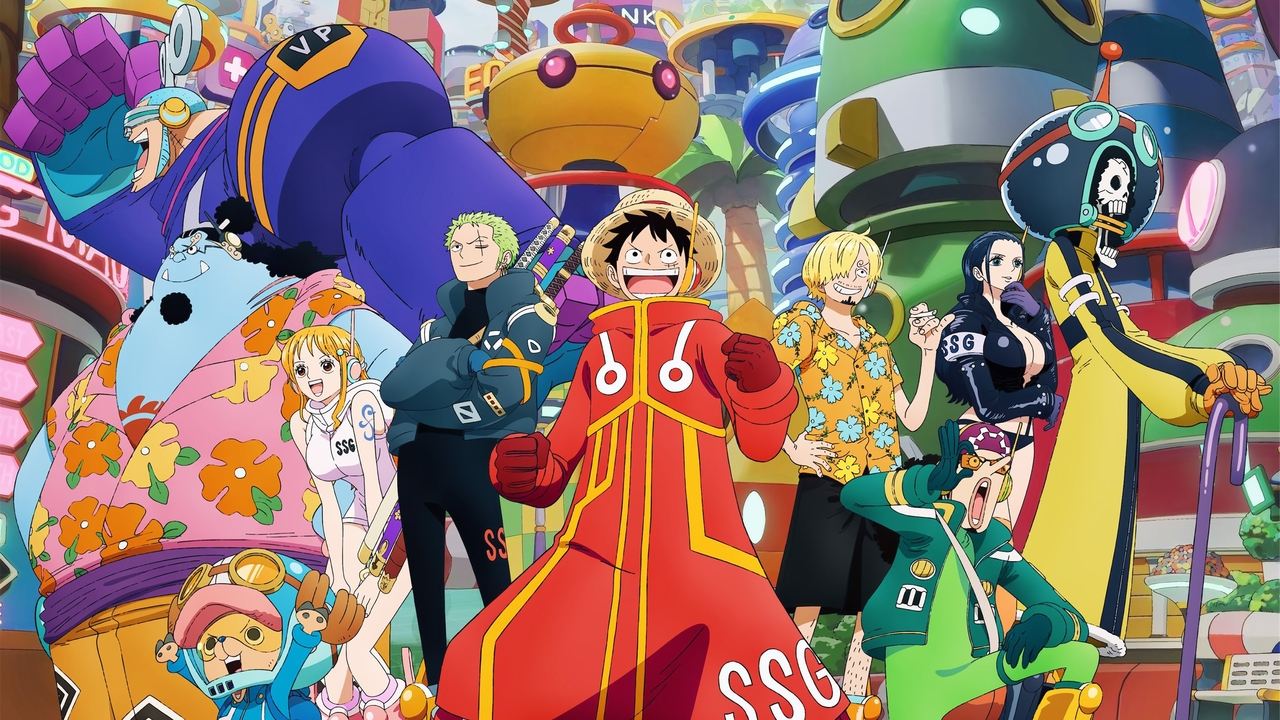
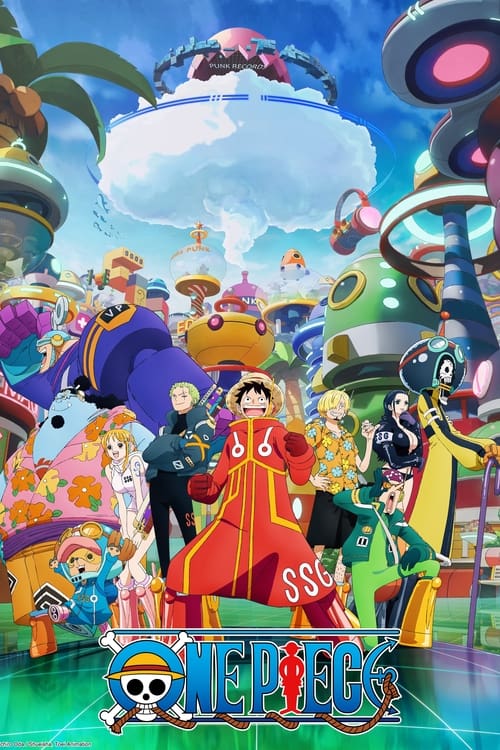
Discover the MBTI personality types of One Piece characters — from Luffy to Zoro to Nami
المحللون
Dracule Mihawk
AnalystMihawk’s INTJ cognitive stack defines the archetype of the solitary master. His dominant Introverted Intuition (Ni) manifests in his singular, unwavering vision—he pursued the title of World’s Greatest Swordsman with such focused clarity that he ran out of worthy opponents, and his recognition of Zoro’s potential at Baratie revealed an intuitive ability to see future greatness in raw talent. His auxiliary Extraverted Thinking (Te) shows in his ruthless combat efficiency—he defeated Don Krieg’s fleet with a single slash, uses the minimum force necessary to end any confrontation, and trained Zoro with systematic methodology during the timeskip. Mihawk’s tertiary Introverted Feeling (Fi) emerges in his private aesthetic sensibilities—his Gothic castle on Kuraigana Island, his wine collection, and his solitary lifestyle reflect deeply personal values about elegance and independence. His inferior Extraverted Sensing (Se) surfaces in his detachment from the physical world’s chaos—he observes wars like a spectator, engaging only when something genuinely interests him. His arc from a warrior who sought the ultimate challenge to a man who teaches his future rival reflects INTJ at its most refined—recognizing that true mastery includes cultivating the next generation.
“There is no need to rush. Take your time.”Learn about INTJ →
Trafalgar Law
AnalystLaw’s INTP cognitive stack drives his reputation as one of the Worst Generation’s most brilliant strategists. His dominant Introverted Thinking (Ti) shows in his surgical precision—both literally as a doctor who can perform operations within his Room and figuratively in dismantling opponents’ strategies through logical analysis. His auxiliary Extraverted Intuition (Ne) manifests in his creative use of the Ope Ope no Mi—seeing possibilities in his Devil Fruit that others would never imagine, from personality swaps to creating nuclear-level attacks like Puncture Wille. Law’s tertiary Introverted Sensing (Si) emerges in the traumatic memories that fuel his vendetta against Doflamingo—Flevance’s destruction and Corazon’s sacrifice are Si experiences he cannot release. His inferior Extraverted Feeling (Fe) surfaces in his reluctant emotional bonds—he maintains a cold exterior but his crew’s devotion to him reveals genuine warmth he struggles to express directly. His arc from a boy consumed by revenge to an ally who trusts Luffy enough to abandon his own plans at Dressrosa reflects INTP growth—learning that calculated independence must sometimes yield to emotional connection and collaborative trust.
“Weak people can't choose how they die.”Learn about INTP →
Boa Hancock
AnalystHancock’s ENTJ cognitive stack powers her reign as the Pirate Empress. Her dominant Extraverted Thinking (Te) drives her commanding leadership—she rules Amazon Lily with absolute authority, issues orders expecting immediate compliance, and navigates Warlord politics with strategic efficiency that protects her people. Her auxiliary Introverted Intuition (Ni) shows in her long-term strategic thinking—maintaining the Warlord position specifically to shield her kingdom, and immediately recognizing Luffy as someone who could change the world. Hancock’s tertiary Extraverted Sensing (Se) manifests in her devastating combat prowess and physical presence—her beauty is literally weaponized through the Mero Mero no Mi, and her kicks can petrify opponents before they react. Her inferior Introverted Feeling (Fi) surfaces in her vulnerability around Luffy—the only person who pierces her commanding exterior to reveal the traumatized former slave beneath, showing that her domineering persona protects deeply wounded emotions. Her arc from a Celestial Dragon slave to an empress who defies the World Government for love reflects ENTJ growth—discovering that true power comes not from demanding obedience but from choosing to protect what you genuinely value.
“Whether I kick a kitten, tear off your ears, or even slaughter innocent people... the world will never cease to forgive me!”Learn about ENTJ →
Donquixote Doflamingo
AnalystDoflamingo’s ENTP cognitive stack makes him One Piece’s most intellectually dangerous villain. His dominant Extraverted Intuition (Ne) fuels his ability to see through every system—he manipulates the World Government, controls Dressrosa’s reality through information warfare, and orchestrates schemes with multiple contingency plans that anticipate opponents’ moves several steps ahead. His auxiliary Introverted Thinking (Ti) shows in his philosophical deconstruction of justice and morality—his Marineford speech about how the winners of wars define good and evil reveals a mind that has analytically dismantled society’s power structures. Doflamingo’s tertiary Extraverted Feeling (Fe) emerges in his charismatic manipulation—he inspires fanatical loyalty in his crew through emotional appeal while simultaneously pulling everyone’s strings. His inferior Introverted Sensing (Si) surfaces in his traumatic childhood memories—the loss of Celestial Dragon status drives every action, an Si wound he can never heal through Ne-Ti scheming. His arc from a displaced god to Dressrosa’s puppet master reflects the ENTP shadow—brilliant pattern recognition and debate skills turned toward domination, proving that the same cognitive gifts that inspire revolution can also enable tyranny.
“Pirates are evil? The Marines are righteous? These terms have always changed throughout the course of history!”Learn about ENTP →
الدبلوماسيون
Shanks
DiplomatShanks’s ENFJ cognitive stack creates the series’ most naturally charismatic leader. His dominant Extraverted Feeling (Fe) radiates through every interaction—his crew’s absolute devotion, his ability to stop the Marineford War through sheer moral authority, and his decision to sacrifice his arm to save young Luffy all reflect someone who instinctively prioritizes others’ wellbeing and growth. His auxiliary Introverted Intuition (Ni) shows in his prophetic understanding of potential—betting his arm on Luffy’s future, meeting with the Five Elders about strategic threats, and positioning himself for events decades in the making. Shanks’s tertiary Extraverted Sensing (Se) emerges in his laid-back enjoyment of life’s pleasures—drinking, partying, and the physical confidence of a man whose Conqueror’s Haki can incapacitate admirals. His inferior Introverted Thinking (Ti) surfaces in his emotional decision-making—choosing heart over strategy in ways that frustrate more analytical characters. His arc from Roger’s apprentice to one of the Four Emperors reflects ENFJ’s ultimate leadership—not through conquest but through inspiring others so profoundly that they reshape the world on his behalf.
“I bet my arm on the new era.”Learn about ENFJ →
Usopp
DiplomatUsopp’s ENFP cognitive stack creates the Straw Hats’ most complex emotional journey. His dominant Extraverted Intuition (Ne) fuels his legendary storytelling—his ‘lies’ about being a great warrior are actually Ne visions that repeatedly come true, from predicting giant goldfish to his tales of fighting millions. His auxiliary Introverted Feeling (Fi) creates both his greatest strength and weakness—his deep personal values about bravery and loyalty are so important that failing to meet them causes existential crisis, as seen in his Water 7 departure over the Going Merry. Usopp’s tertiary Extraverted Thinking (Te) emerges in his inventive engineering—creating the Clima-Tact, Pop Greens, and improvised weapons through practical application of creative ideas. His inferior Introverted Sensing (Si) surfaces in his nostalgia for Syrup Village safety and his physical awareness of his own weakness compared to superhuman crewmates. His arc from a cowardly village boy to the sniper who stood against Sugar at Dressrosa—awakening Observation Haki through sheer willpower—reflects ENFP growth at its most inspiring, proving that imagination and authentic values can overcome any limitation.
“I-I'll do my best! Even if I die, I'll do my best!”Learn about ENFP →
الحراس
Jinbe
SentinelJinbe’s ISTJ cognitive stack makes him the Straw Hats’ most dependable anchor. His dominant Introverted Sensing (Si) drives his deep respect for tradition and precedent—his Fishman Karate mastery built through decades of disciplined practice, his honor code inherited from Fisher Tiger and Queen Otohime, and his careful consideration of past alliances before making commitments. His auxiliary Extraverted Thinking (Te) manifests in his practical leadership style—calmly issuing tactical orders during Marineford, organizing the crew’s defense at Whole Cake Island, and providing the experienced perspective that balances Luffy’s impulsiveness. Jinbe’s tertiary Introverted Feeling (Fi) shows in his deeply personal commitment to racial harmony between humans and fishmen—a value he holds so strongly he left the Sun Pirates and a Warlord position. His inferior Extraverted Intuition (Ne) surfaces in his discomfort with Luffy’s chaotic, unpredictable approach to adventure—he prefers structured plans to spontaneous chaos. His arc from a Warlord bound by obligation to a Straw Hat who chose freedom reflects ISTJ growth—discovering that the highest form of duty is choosing your own loyalties rather than inheriting them.
“Accept the things you cannot change, and change the things you cannot accept.”Learn about ISTJ →
Tony Tony Chopper
SentinelChopper’s ISFJ cognitive stack drives his identity as the crew’s compassionate healer. His dominant Introverted Sensing (Si) shows in his meticulous medical knowledge—memorizing Doctorine’s teachings, maintaining detailed patient records, and drawing on established pharmaceutical knowledge to treat injuries systematically. His auxiliary Extraverted Feeling (Fe) manifests in his emotional sensitivity—he cries freely when others are hurt, immediately rushes to treat anyone in need regardless of allegiance, and his dream of curing every disease reflects a desire to eliminate suffering from the world. Chopper’s tertiary Introverted Thinking (Ti) emerges in his analytical approach to developing Rumble Ball formulas—systematically experimenting with dosages and transformations through logical deduction. His inferior Extraverted Intuition (Ne) surfaces in his gullibility and difficulty seeing through deception—he takes flattery at face value and struggles to anticipate unconventional threats. His arc from a reindeer rejected by both animals and humans to a pirate doctor who declares he’ll cure any disease reflects ISFJ growth—transforming the trauma of isolation into boundless compassion, proving that the deepest care comes from those who understand pain firsthand.
“I'm a doctor! I will cure any disease!”Learn about ISFJ →
Nami
SentinelNami’s ESTJ cognitive stack makes her the Straw Hats’ operational backbone. Her dominant Extraverted Thinking (Te) drives her organizational control—managing the crew’s budget with iron discipline, barking navigation orders during storms, and making pragmatic decisions when Luffy’s idealism threatens their survival. Her auxiliary Introverted Sensing (Si) manifests in her cartographic genius—drawing maps with obsessive precision, relying on accumulated weather knowledge to predict Grand Line conditions, and remembering every debt owed to her. Nami’s tertiary Extraverted Intuition (Ne) shows in her resourceful problem-solving—using the Clima-Tact in creative ways Usopp never intended, finding escape routes others miss, and negotiating deals with surprising ingenuity. Her inferior Introverted Feeling (Fi) surfaces in her deepest emotional moments—her desperate plea to Luffy for help in Arlong Park revealed raw vulnerability beneath her tough exterior, and her forgiveness of Jinbe showed growth beyond rigid judgment. Her arc from a thief motivated by survival to a navigator who dreams of mapping the entire world reflects ESTJ maturation—channeling organizational excellence toward aspirations larger than personal security.
“Happiness isn't something you share with 100 people. It's 100 times stronger when shared with a few.”Learn about ESTJ →
Sanji
SentinelSanji’s ESFJ cognitive stack defines his identity as the Straw Hats’ devoted caretaker. His dominant Extraverted Feeling (Fe) manifests in his absolute refusal to let anyone go hungry—feeding enemy combatants, cooking for rival pirates, and his dream of finding All Blue representing a place where he can nourish the entire world. His auxiliary Introverted Sensing (Si) shows in his culinary traditions learned under Zeff—recipes memorized perfectly, cooking techniques refined through repetition, and the traumatic starvation experience that permanently shaped his relationship with food. Sanji’s tertiary Extraverted Intuition (Ne) emerges in his creative tactical thinking—his Mr. Prince rescue at Alabasta and his infiltration of Enies Lobby demonstrate quick-witted improvisation under pressure. His inferior Introverted Thinking (Ti) surfaces in his irrational chivalry toward women—his refusal to fight female opponents defies logic but follows emotional conviction so deeply that he’d rather die than violate it. His Whole Cake Island arc—confronting the Vinsmoke family and reconciling his Fe devotion with his painful Si memories—represents ESFJ growth at its deepest, choosing found family over blood obligation.
“A real man forgives a woman for her lies.”Learn about ESFJ →
المستكشفون
Roronoa Zoro
ExplorerZoro’s ISTP cognitive stack defines the quintessential lone warrior. His dominant Introverted Thinking (Ti) drives his systematic approach to swordsmanship—he doesn’t just train physically but deconstructs techniques logically, developing three-sword style through analytical understanding of leverage, timing, and force distribution. His auxiliary Extraverted Sensing (Se) manifests in his extraordinary combat awareness—reading opponents’ physical tells, adapting mid-fight with improvised techniques, and his preference for experiencing challenges directly rather than planning around them. Zoro’s tertiary Introverted Intuition (Ni) shows in his singular long-term focus on becoming the world’s greatest swordsman—a vision so clear it borders on obsession, visible in his vow to Luffy at Baratie and his sacrifice at Thriller Bark. His inferior Extraverted Feeling (Fe) surfaces in his buried loyalty—his ‘nothing happened’ moment with Kuma reveals devastating self-sacrifice for the crew he pretends not to care about emotionally. His arc from a bounty hunter to Luffy’s first mate reflects ISTP growth—maintaining independent mastery while learning that true strength includes protecting others.
“Nothing happened.”Learn about ISTP →
Franky
ExplorerFranky’s ESTP cognitive stack powers the Straw Hats’ most flamboyant engineer. His dominant Extraverted Sensing (Se) manifests in his love of spectacle—striking his signature ‘SUPER’ pose, designing the Thousand Sunny with maximum visual impact, and building weapons that are as flashy as they are functional. His auxiliary Introverted Thinking (Ti) shows in his engineering genius—he reverse-engineered Vegapunk’s blueprints, built the Franky Shogun from scratch, and understands mechanical principles at a fundamental level despite having no formal education. Franky’s tertiary Extraverted Feeling (Fe) emerges in his emotional expressiveness—he cries openly at touching stories (while denying it), builds things to make others happy, and his loyalty to the Franky Family demonstrates genuine community care. His inferior Introverted Intuition (Ni) surfaces in his struggle with long-term emotional planning—his guilt over the Pluton blueprints lingered for years before he could resolve it. His arc from a delinquent shipbreaker blaming Tom’s death on himself to the shipwright who built the Straw Hats’ dream ship reflects ESTP growth—channeling raw physical creativity into purpose-driven engineering that carries others’ dreams.
“SUPER!”Learn about ESTP →
Portgas D. Ace
ExplorerAce’s ESFP cognitive stack burns as brightly as his Mera Mera no Mi. His dominant Extraverted Sensing (Se) drives his fierce physicality—his fire-fist fighting style is all explosive, present-moment action, and he charges into battles with visceral intensity rather than strategic calculation. His auxiliary Introverted Feeling (Fi) creates his deepest conflict—the question of whether Gold Roger’s son deserves to exist haunted him throughout his life, and his decision to die protecting Luffy at Marineford was the ultimate expression of personally held values overriding survival instinct. Ace’s tertiary Extraverted Thinking (Te) shows in his competent leadership of the Whitebeard Pirates’ Second Division—organizing his crew with natural authority despite his spontaneous nature. His inferior Introverted Intuition (Ni) surfaces in his inability to see the larger consequences of pursuing Blackbeard—his single-minded focus on immediate justice blinded him to the trap being set. His arc from a child who asked strangers if he deserved to be born to a man whose final words were ‘Thank you for loving me’ reflects ESFP’s ultimate realization—that authentic emotional connection provides the meaning that raw experience alone cannot.
“Thank you for loving me!”Learn about ESFP →
ابحث عن شخصيتك
تعرف على نوع MBTI الخاص بك؟ ابحث عن الشخصية المطابقة أدناه.
الأسئلة الشائعة
Luffy is widely typed as ENFP. His boundless enthusiasm, creative problem-solving, love of freedom, and ability to inspire others are classic ENFP traits driven by Extraverted Intuition (Ne) and Introverted Feeling (Fi).
Zoro is commonly typed as ISTP — quiet, practical, and laser-focused on his goal to become the world's greatest swordsman. His analytical approach to combat and comfort with solitude are hallmark ISTP traits.
While no Straw Hat crew member is definitively typed as INFJ, characters like Corazon (Donquixote Rosinante) and Silvers Rayleigh show INFJ-like qualities — deep empathy combined with long-term vision and quiet sacrifice for others.