
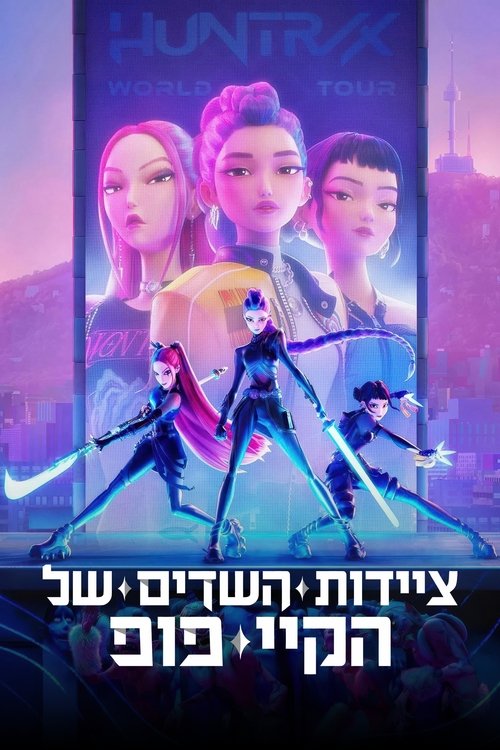
KPop Demon Hunters (HUNTR/X)
Discover the MBTI personality types of KPop Demon Hunters characters — HUNTR/X, the Saja Boys, and more from Netflix's biggest animated hit
Analistler
Mystery
AnalystMystery’s INTJ cognitive stack operates silently beneath the Saja Boys’ flamboyant surface. His dominant Introverted Intuition (Ni) processes the demon war as a multi-dimensional chess game—while Jinu debates and Baby performs, Mystery quietly maps every possible outcome, positioning himself and his allies three moves ahead of opponents who don’t realize the game has already begun. His auxiliary Extraverted Thinking (Te) manifests in his precise, efficient execution of strategy—when Mystery acts, every movement serves a calculated purpose, eliminating wasted effort with mechanical precision. Mystery’s tertiary Introverted Feeling (Fi) shows in his private evaluation of Gwi-Ma’s plans—unlike the others, he maintains an internal moral assessment that may diverge from the demon king’s agenda, creating potential for loyalty shifts that even his allies cannot predict. His inferior Extraverted Sensing (Se) surfaces in his detachment from immediate spectacle—he observes performances and battles with analytical distance rather than emotional engagement. His character reflects INTJ’s most unsettling quality—the person in the room who sees everything, says little, and is always calculating something nobody else has considered.
“Chaos is just order waiting to be decoded.”Learn about INTJ →
HUNTR/X as INTP
AnalystHUNTR/X’s tactical innovation embodies INTP analytical creativity applied to the supernatural. The dominant Introverted Thinking (Ti) manifests in the team’s systematic approach to demon classification—analyzing each threat’s abilities, cataloging weaknesses, and developing counter-strategies based on observed patterns rather than traditional folklore alone. Auxiliary Extraverted Intuition (Ne) shows in their willingness to experiment with unconventional methods—combining K-pop choreography with combat techniques, using musical frequency to disrupt demonic energy, and testing creative hypotheses about supernatural vulnerabilities that established hunters dismissed. Tertiary Introverted Sensing (Si) emerges in their documentation of effective techniques—building a growing database of successful approaches that refines their methodology with each encounter. Inferior Extraverted Feeling (Fe) surfaces in the occasional disconnect between analytical optimization and the emotional reality of fighting sentient beings—sometimes the most efficient solution conflicts with the team’s compassionate values. HUNTR/X’s evolution from following established demon-hunting protocols to pioneering new methodologies reflects the INTP pattern—questioning every assumption, testing every theory, and proving that analytical creativity is the most powerful weapon against threats that brute force alone cannot defeat.
“There's always a pattern. You just have to look deeper.”Learn about INTP →

Gwi-Ma
AnalystGwi-Ma’s ENTJ cognitive stack operates with the terrifying patience of an immortal strategist. His dominant Extraverted Thinking (Te) manifests in his efficient command structure—he manages the Saja Boys and his demon network with corporate-level delegation, identifying the most effective lever for every situation and pulling it without hesitation or sentiment. His auxiliary Introverted Intuition (Ni) drives his centuries-spanning vision for demon supremacy—he doesn’t react to threats but orchestrates events across generations, positioning pieces decades before they’re needed, understanding that true power operates on timelines humans cannot perceive. Gwi-Ma’s tertiary Extraverted Sensing (Se) shows in his ability to assess threats and opportunities in real time—when his long-term plans encounter unexpected resistance from HUNTR/X, he adapts with tactical precision. His inferior Introverted Feeling (Fi) surfaces in his blind spot regarding genuine emotional bonds—he cannot understand why HUNTR/X’s love for each other makes them stronger rather than weaker, because Fi authenticity is the one variable his Te-Ni framework cannot calculate. His role as the ultimate antagonist reflects ENTJ’s shadow—strategic brilliance devoid of empathy, commanding everything except the one force that defeats him.
“Every soul has a price. I simply know how to negotiate.”Learn about ENTJ →

Jinu
AnalystJinu’s ENTP cognitive stack makes him the most intellectually dangerous character in the series. His dominant Extraverted Intuition (Ne) fuels his quick wit and chameleon-like adaptability—he reads social situations instantly, crafts persuasive arguments on the fly, and sees manipulation angles that others miss, making him the Saja Boys’ most effective weapon against both HUNTR/X and Gwi-Ma’s rivals. His auxiliary Introverted Thinking (Ti) shows in his internal moral debates—he constructs logical frameworks to justify his alliance with Gwi-Ma while simultaneously deconstructing those same arguments, revealing genuine philosophical complexity beneath the swagger. Jinu’s tertiary Extraverted Feeling (Fe) emerges in his natural charisma—he draws audiences and allies with magnetic warmth that makes his manipulations feel like genuine connection. His inferior Introverted Sensing (Si) surfaces in his complicated relationship with his Joseon-era past—the human who sold his soul for fame cannot fully process the Si memories of what he lost. His arc as a character perpetually debating his own morality reflects ENTP’s deepest challenge—when the ability to argue any position makes it impossible to commit to a single truth.
“Fame is just power with better lighting.”Learn about ENTP →
Diplomatlar

Healer Han
DiplomatHealer Han’s INFJ cognitive stack operates on a spiritual plane that transcends the immediate conflict. His dominant Introverted Intuition (Ni) grants him prophetic understanding of the demon war’s deeper patterns—he sees connections between past events and future possibilities that others cannot perceive, understanding that the balance between human and demon worlds follows archetypal cycles rather than linear causation. His auxiliary Extraverted Feeling (Fe) manifests in his mentoring approach—he guides Rumi and HUNTR/X not through commands but through emotional wisdom, helping them discover their own strengths by creating the conditions for self-realization. Healer Han’s tertiary Introverted Thinking (Ti) shows in the precise intellectual framework underlying his spiritual insights—his prophecies are not vague mysticism but carefully articulated patterns based on deep analytical understanding. His inferior Extraverted Sensing (Se) surfaces in his detachment from the physical urgency of combat—he sometimes frustrates action-oriented characters by prioritizing understanding over immediate response. His role as the enigmatic guide reflects INFJ’s archetypal function—seeing the larger pattern while others are lost in individual threads, and trusting that wisdom shared at the right moment can redirect the course of destiny.
“The path chooses you. Your job is to walk it.”Learn about INFJ →
Romance
DiplomatRomance’s INFP cognitive stack creates the Saja Boys’ most psychologically tormented member. His dominant Introverted Feeling (Fi) preserves fragments of his human emotional core that demonhood should have extinguished—he experiences genuine moral conflict about Gwi-Ma’s actions, evaluates every mission against internal values he cannot fully articulate, and carries the weight of choices that violate his authentic nature. His auxiliary Extraverted Intuition (Ne) manifests in his wondering whether demons can choose redemption—he sees possibilities for transformation that his fellow Saja Boys dismiss, imagining alternative paths that his current allegiance denies. Romance’s tertiary Introverted Sensing (Si) shows in the haunting memories of his human life—sensory fragments of experiences before his transformation surface unbidden, creating nostalgic pain that no amount of demonic power can suppress. His inferior Extraverted Thinking (Te) surfaces in his inability to translate internal conflict into decisive action—he remains paralyzed between loyalty to Gwi-Ma and his own conscience, unable to organize his feelings into a coherent plan. His character reflects INFP’s deepest question—whether authentic values can survive radical transformation, and whether the capacity to dream of being something better is itself proof that change is possible.
“Even demons dream of being something else.”Learn about INFP →

Rumi Kang
DiplomatRumi’s ENFJ cognitive stack powers HUNTR/X’s emotional and strategic core. Her dominant Extraverted Feeling (Fe) is what holds the team together—she senses when Mira is struggling, rallies Zoey’s confidence before battles, and connects with fans so authentically that their collective energy becomes a literal weapon against demons. Her auxiliary Introverted Intuition (Ni) manifests in her growing understanding of her half-demon nature—rather than rejecting it, she develops a Ni vision of using both sides of her identity to bridge the human and demon worlds. Rumi’s tertiary Extraverted Sensing (Se) shows in her commanding stage presence—she performs with physical charisma that transforms concerts into supernatural battlegrounds. Her inferior Introverted Thinking (Ti) surfaces in her struggle to analytically process her dual identity—she feels the tension between human and demon but cannot logically resolve it, relying on emotional intuition instead. Her arc from a K-pop idol hiding her demonic heritage to a leader who embraces her full identity reflects ENFJ growth—discovering that authentic leadership requires revealing your whole self, including the parts that might frighten others.
“We protect them because they believe in us.”Learn about ENFJ →

Zoey
DiplomatZoey’s ENFP cognitive stack infuses HUNTR/X with creative energy and emotional resilience. Her dominant Extraverted Intuition (Ne) drives her ability to see solutions where others see dead ends—when conventional demon-hunting tactics fail, Zoey improvises wildly creative approaches that combine musical performance with supernatural combat in ways nobody anticipated. Her auxiliary Introverted Feeling (Fi) anchors her optimism in genuine personal values—she doesn’t stay positive because she’s naive but because she authentically believes in the goodness of their mission and the strength of their bond. Zoey’s tertiary Extraverted Thinking (Te) shows in her ability to translate creative ideas into actionable plans—she organizes brainstorming sessions and implements solutions with practical efficiency that surprises those who underestimate her. Her inferior Introverted Sensing (Si) surfaces in her struggle with disciplined routines—Celine’s structured training regimens feel constraining to her spontaneous nature. Her arc as the teammate who keeps everyone’s spirits alive through the darkest battles reflects ENFP’s irreplaceable gift—that genuine optimism paired with creative adaptability can sustain a team when raw strength and strategy alone fall short.
“What if we just... try something nobody's ever done before?”Learn about ENFP →
Nöbetçiler

Celine
SentinelCeline’s ISTJ cognitive stack carries the weight of generations of demon-hunting knowledge. Her dominant Introverted Sensing (Si) preserves decades of accumulated combat experience—she trains HUNTR/X using methods refined through her own career as both K-pop star and demon hunter, maintaining traditions and techniques passed down through warrior lineages. Her auxiliary Extraverted Thinking (Te) manifests in her structured mentorship approach—disciplined training schedules, clear tactical protocols, and uncompromising performance standards that prepare the girls for threats she knows are coming. Celine’s tertiary Introverted Feeling (Fi) shows in her deeply personal bond with Rumi—she raised Soo-Yeon’s daughter as her own, and her protectiveness transcends duty into genuine maternal love that she expresses through discipline rather than softness. Her inferior Extraverted Intuition (Ne) surfaces in her difficulty adapting when HUNTR/X’s creative, improvisational combat style diverges from her established methods—she initially resists their innovations before recognizing their effectiveness. Her arc as the mentor who must eventually trust her students to fight their own battles reflects ISTJ’s hardest growth—releasing control and trusting that the foundations she built will hold.
“Discipline isn't a cage. It's what keeps you alive.”Learn about ISTJ →
Soo-Yeon (Rumi's Mother)
SentinelSoo-Yeon’s ISFJ cognitive stack echoes through the entire series despite her physical absence. Her dominant Introverted Sensing (Si) created the foundational traditions that HUNTR/X inherits—the training methods, the demon-hunting techniques, and the cultural knowledge that Celine preserved and passed to Rumi were all Si legacies built through Soo-Yeon’s careful accumulation of wisdom and experience. Her auxiliary Extraverted Feeling (Fe) manifested in her dual role as protector and nurturer—she fought demons to shield humanity while simultaneously building the emotional bonds that would sustain her daughter and her team after she was gone. Soo-Yeon’s tertiary Introverted Thinking (Ti) showed in her analytical approach to demon-hunting—combining K-pop performance with supernatural combat required logical innovation that she systematized for future generations. Her inferior Extraverted Intuition (Ne) surfaced in her ultimate sacrifice—she could not envision a future where she survived, so she ensured her legacy would continue through others. Her arc as the absent mother whose love shapes everything reflects ISFJ’s most profound expression—that true nurturing creates systems of care that outlive the caregiver, protecting loved ones long after the protector is gone.
“Love is the only weapon that gets stronger when you give it away.”Learn about ISFJ →
HUNTR/X as ESTJ
SentinelHUNTR/X’s dual-career discipline embodies ESTJ organizational mastery. The dominant Extraverted Thinking (Te) drives the structured systems that make an impossible schedule work—balancing recording sessions with combat training, concert tours with demon patrol routes, and fan meet-and-greets with supernatural threat assessments requires organizational efficiency that would collapse without Te’s systematic management. Auxiliary Introverted Sensing (Si) shows in the established routines that sustain this demanding lifestyle—Celine’s training protocols, Bobby’s logistical systems, and the team’s rehearsed combat formations all rely on Si repetition refined through years of practice until execution becomes instinct. Tertiary Extraverted Intuition (Ne) emerges in the creative adaptations required when schedules collide—performing at a concert while simultaneously handling a demon incursion demands innovative thinking within established frameworks. Inferior Introverted Feeling (Fi) surfaces in the personal cost of relentless discipline—moments when the girls question whether the demanding schedule leaves room for authentic self-expression. HUNTR/X’s ability to maintain excellence across two demanding careers reflects the ESTJ truth—that disciplined systems, consistently maintained, can achieve what talent and passion alone cannot sustain.
“Talent opens the door. Discipline keeps it open.”Learn about ESTJ →

Bobby
SentinelBobby’s ESFJ cognitive stack makes him HUNTR/X’s indispensable emotional infrastructure. His dominant Extraverted Feeling (Fe) drives his constant attentiveness to the group’s wellbeing—he monitors their emotional states, insists on proper rest and hydration during demon-hunting missions, and creates a sense of family that anchors the girls when supernatural chaos threatens to overwhelm them. His auxiliary Introverted Sensing (Si) shows in his meticulous management of logistics—schedules, equipment, travel arrangements, and the practical details of maintaining both a K-pop career and a demon-hunting operation are organized with reliable precision. Bobby’s tertiary Extraverted Intuition (Ne) emerges in his creative problem-solving under pressure—when plans go sideways during demon encounters, he improvises logistical solutions with surprising resourcefulness. His inferior Introverted Thinking (Ti) surfaces in his tendency to prioritize the group’s emotional needs over logical strategic calculations—sometimes delaying tactically important decisions because the girls need a morale boost first. His role as the heart behind HUNTR/X’s operations reflects ESFJ’s essential contribution—that every great team needs someone whose primary mission is ensuring everyone is cared for, supported, and reminded that they matter.
“You need rest! And hydration! And maybe a hug!”Learn about ESFJ →
Kaşifler
Abby
ExplorerAbby’s ISTP cognitive stack makes him the Saja Boys’ most lethally efficient operative. His dominant Introverted Thinking (Ti) drives his analytical combat approach—he deconstructs opponents’ fighting patterns, identifies mechanical weaknesses, and exploits them with the precision of an engineer solving a structural problem. His auxiliary Extraverted Sensing (Se) manifests in his fluid physical adaptability—he transitions between combat styles seamlessly, responds to threats with reflexive speed, and maintains spatial awareness that makes him nearly impossible to ambush. Abby’s tertiary Introverted Intuition (Ni) shows in his tactical foresight—while less strategically ambitious than Mystery, he anticipates immediate combat developments and positions himself for optimal advantage. His inferior Extraverted Feeling (Fe) surfaces in his minimal social engagement—he communicates through efficient actions rather than emotional expression, and his few words carry weight precisely because they’re rare. His character embodies ISTP’s core philosophy within the Saja Boys—that results matter more than rhetoric, that competence needs no advertisement, and that the most dangerous person in any room is the quiet one who has already calculated every possible outcome.
“Less talk. More results.”Learn about ISTP →

Mira
ExplorerMira’s ISFP cognitive stack channels raw emotion into devastating physical expression. Her dominant Introverted Feeling (Fi) creates an intense inner world she rarely verbalizes—her loyalty to HUNTR/X comes not from obligation but from deeply personal bonds she would die to protect, and her artistic expression through dance and combat carries emotional weight that words cannot capture. Her auxiliary Extraverted Sensing (Se) manifests in her explosive fighting style—she engages demons with visceral physicality, her choreography becoming weapon-work in seamless transition from stage performance to supernatural combat. Mira’s tertiary Introverted Intuition (Ni) shows in her instinctive understanding of threat patterns—she often senses danger before it materializes, reading situations through gut feeling rather than analysis. Her inferior Extraverted Thinking (Te) surfaces in her reluctance to verbalize strategy or explain her reasoning—she acts on internal conviction, sometimes frustrating teammates who need explicit communication. Her arc as the quiet warrior who proves that actions speak louder than words reflects ISFP’s essential truth—that the deepest feelings find their most authentic expression through physical art and decisive action.
“My fists say what my words can't.”Learn about ISFP →
HUNTR/X as ESTP
ExplorerHUNTR/X’s dual performance mastery embodies ESTP boldness and physical commanding presence. The dominant Extraverted Sensing (Se) drives their seamless transition between concert stage and demon battleground—the same physical confidence, spatial awareness, and command of audience attention that makes their K-pop performances electrifying translates directly into combat effectiveness against supernatural threats. Auxiliary Introverted Thinking (Ti) shows in the tactical precision underlying their spectacular performances—choreography sequences that double as combat formations, stage positioning that creates optimal attack angles, and split-second decisions that turn musical beats into strike timing. Tertiary Extraverted Feeling (Fe) emerges in their ability to draw energy from fans during performances that simultaneously function as demon-hunting operations—using collective emotional energy as both entertainment and weapon. Inferior Introverted Intuition (Ni) surfaces in their occasional lack of long-term strategic planning—excelling in the immediate moment but sometimes stumbling when confronting enemies who operate on longer timelines. HUNTR/X’s ability to turn every fight into a performance reflects the ESTP truth—that when you fully command the physical moment, the boundary between art and combat dissolves.
“Hit the beat. Hit the demon. Same energy.”Learn about ESTP →
Baby
ExplorerBaby’s ESFP cognitive stack makes him the Saja Boys’ most explosively entertaining member. His dominant Extraverted Sensing (Se) defines his entire existence—he lives for the rush of performing, feeds off crowd energy with electric immediacy, and engages with the physical world at maximum intensity, whether rapping, fighting, or simply existing with unapologetic flamboyance. His auxiliary Introverted Feeling (Fi) shows beneath the spectacle—his loyalty to the Saja Boys comes from genuine personal bonds rather than demonic obligation, and his emotional reactions to betrayal or injustice reveal authentic values beneath the party-boy exterior. Baby’s tertiary Extraverted Thinking (Te) emerges in his surprising effectiveness during coordinated operations—when the Saja Boys execute Gwi-Ma’s plans, Baby’s contributions demonstrate practical competence that his impulsive persona conceals. His inferior Introverted Intuition (Ni) surfaces in his refusal to consider long-term consequences—he lives so completely in the present that questions about where the demon war leads or what his existence means remain perpetually unexamined. His character reflects ESFP’s purest expression—when living fully in each moment is both a superpower and a vulnerability.
“Why think when you can just vibe?”Learn about ESFP →
Karakterinizi Bulun
MBTI tipinizi biliyor musunuz? Aşağıda karakter eşleşmenizi bulun.
Sık Sorulan Sorular
Rumi Kang is typed as ENFJ (The Protagonist). Her natural charisma, empathetic leadership, and ability to inspire HUNTR/X while grappling with her half-demon identity reflect dominant Fe-Ni — always putting others first while pursuing a greater vision.
Jinu, the leader of the Saja Boys, is typed as ENTP. His quick wit, manipulative charm, and complex moral debates reflect Ne-Ti — a brilliant mind that questions everything, including his own allegiance to the demon king Gwi-Ma.
While HUNTR/X and the Saja Boys are fictional, the film draws heavily from real K-pop culture. The singing voices are provided by real artists: Audrey Nuna, Rei Ami, and EJAE for HUNTR/X. The film became Netflix's most-watched original title with 500M+ views and earned Grammy nominations.
The Saja Boys are typed as: Jinu (ENTP), Baby (ESFP), Mystery (INTJ), Abby (ISTP), and Romance (INFP). As demons disguised as a K-pop boy band, their personality types reflect a range from strategic manipulation to emotional conflict.
Daha Fazla Şov Keşfet
Kendi Tipinizi Bulun
MBTI kişilik tipinizi keşfedin ve hangi kurgusal karakterlerin özelliklerinizi paylaştığını görün.
Testi Al