ISFP Połączenie emocjonalne
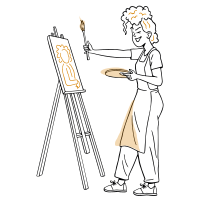
The Gentle Artist
ISFPs love with quiet passion and deep sensitivity. They express their deepest feelings through touch, art, and beauty rather than words. Their intimacy is sensory, present, and truly authentic — every moment with them feels real.
Główny styl intymności
Physical Closeness
Feeling connected through presence, touch, and comfort
Drugi styl intymności
Emotional Intimacy
Sharing deep feelings, fears, and dreams with a partner
Jak ISFP buduje emocjonalną bliskość
Ich unikalne wzorce połączeń
They express love through creative and sensory gestures — music, art, nature, and beauty
They are fully present in intimate moments, giving their undivided attention
They show affection through gentle physical closeness — soft touches, warm presence, and comforting silence
They create beautiful shared experiences — a sunset walk, a home-cooked meal, or a spontaneous adventure
They accept their partner completely, without judgment or desire to change them
Czego ISFP potrzebuje do głębokiego połączenia
Ich podstawowe potrzeby emocjonalne
Emotional safety — they need to feel secure before they can be fully open
Appreciation for their unique way of expressing love through art, beauty, and experience
Gentle communication — harsh words wound them deeply and take time to heal
Freedom to express themselves authentically without pressure to conform
Physical closeness and warmth — being held and comforted is essential for their wellbeing
Wzorzec wrażliwości ISFP
ISFPs feel everything intensely but express it subtly. They reveal vulnerability through their art, their body language, and the experiences they choose to share. They withdraw when hurt rather than confronting, and may struggle to articulate what they need. Their greatest vulnerability is their fear of being misunderstood.
Mocna strona intymności
They create moments of pure, present-tense beauty in the relationship. Their authenticity and lack of pretense make their partner feel completely safe to be themselves.
Wyzwanie intymności
They may avoid difficult conversations, hoping problems will resolve on their own. Their sensitivity can make them over-reactive to criticism. They may struggle to communicate their needs verbally, expecting their partner to sense them.
Charakterystyczny romantyczny gest ISFP
Creating a sensory experience — a candlelit evening with music they carefully selected, homemade food, and a peaceful atmosphere designed to make their partner feel completely at ease.
Wskazówka dla rozwoju
Your feelings are your superpower, not your weakness. But your partner can't read your heart — practice turning your beautiful inner world into words they can understand.
⏳ How ISFP Intimacy Evolves Over Time
ISFPs lead with Fi-Se — from the first meeting, their Fi is feeling for authentic resonance while their Se is drawn to physical and aesthetic chemistry. The first weeks are gentle and sensory: shared sunsets, music, and quiet time together. They won't rush definitions or labels because their Fi needs organic emotional truth, not prescribed relationship milestones. Around month two, they begin sharing their creative world — their art, their playlists, their favorite hidden places — and this is their way of saying 'I trust you with who I really am.' The vulnerability threshold comes around month three, when their Ni starts imagining a shared future and they begin voicing needs rather than just accommodating yours. Their inferior Te activates in long-term commitment, typically past six months, manifesting as practical planning and follow-through that feels effortful but demonstrates deep devotion. Years in, ISFP intimacy is a beautiful, sensory-rich private world — they've created a relationship that feels like a living work of art, full of authentic emotional expression, physical tenderness, and a rare acceptance of each other's complete humanity.
💬 How ISFP Communicates Intimate Needs
ISFPs prefer communication through shared sensory experiences — they open up while cooking together, listening to music, walking in nature, or creating art side by side. Best timing is during these low-pressure, beauty-adjacent moments when their Se feels engaged and their Fi feels safe. Their tell sign is withdrawal into solitary creative work and decreased physical affection — when an ISFP stops reaching for your hand or retreats to their art for hours, they're processing something painful. To help them open up, don't ask directly at first — create a safe sensory environment and say 'I'm here with you' without demanding words. If you must ask, use 'What's in your heart right now?' rather than 'What's wrong?' Never criticize their creative expression or dismiss their aesthetic sensibilities — these are extensions of their emotional core. Physical comfort is essential: a warm embrace before difficult conversations tells their Se that the environment is safe enough for their Fi to speak.