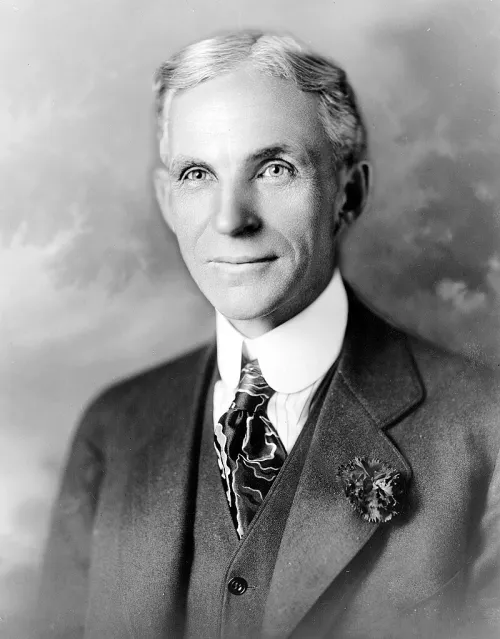
George Smith Patton Jr. was born on November 11, 1885, in San Gabriel, California, to a family with a distinguished military history — his grandfather and several other ancestors had served in the Confederate Army during the Civil War, and military service was as natural to Patton as breathing. He struggled with dyslexia, requiring five years to complete four years of study at West Point, but graduated in 1909 and began a military career that would span both world wars. He competed in the modern pentathlon at the 1912 Stockholm Olympics, finishing fifth, and served under Pershing in the punitive expedition against Pancho Villa before commanding tank units in World War I.
Patton's World War II career began in North Africa in 1942, where he was brought in to revitalize the demoralized II Corps after the Kasserine Pass debacle. His combination of rigorous discipline — the infamous uniform codes, the strict grooming standards, the absolute intolerance of anything less than complete military professionalism — and aggressive tactical instinct transformed the unit's performance rapidly. The Sicily campaign (1943) and the subsequent race with Bernard Montgomery across the island demonstrated what would become his signature: the rapid, audacious offensive that exploited enemy confusion faster than the enemy could reorganize.
The Third Army's operational record in northwest Europe following the Normandy breakout is still studied in military staff colleges as the definitive example of mobile offensive warfare. From August 1, 1944, to the German surrender, Patton's forces advanced further and faster than any army in the history of warfare to that point, covering over 600 miles and engaging and defeating 43 German divisions while sustaining fewer casualties per unit than any comparable Allied force. His emergency deployment of the Third Army 90 degrees northward to relieve the encircled American forces at Bastogne during the Battle of the Bulge — executed in 48 hours in winter conditions over icy roads — remains one of the most operationally impressive achievements in military history.
Patton's career was repeatedly threatened by his ESTJ inclination to say exactly what he believed regardless of political consequences: he slapped a soldier he believed was malingering in Sicily, publicly speculated about post-war relations with the Soviet Union in ways that embarrassed the Eisenhower administration, and was eventually relieved of command in October 1945. He was killed in a car accident in Heidelberg, Germany, on December 21, 1945, twelve days after the accident. His reputation, contested during his lifetime, has been reassessed by military historians as one of the greatest operational commanders in American military history.