ISTP 수면 패턴 & 크로노타입
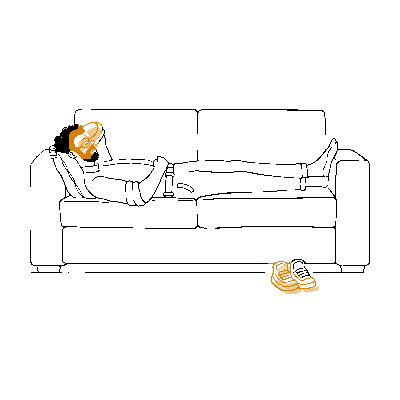
ISTP는 휴식을 의식이 아닌 실용적 필요로 다루는 미니멀리스트적이고 효율적인 수면자입니다. 일찍 일어나거나 늦게 자는 것에 강한 느낌이 없습니다. 피곤할 때 자고 쉬었을 때 일어나며, 다른 유형들이 감탄하거나 당혹스러워하는 실용적인 단순함을 발휘합니다. 가장 높은 생산성 창은 오전 중반에 찾아오며, 에너지는 불필요한 정점이나 극적인 저점 없이 꾸준하고 성실한 곡선을 따릅니다.
ISTP는 휴식을 의식이 아닌 실용적 필요로 다루는 미니멀리스트적이고 효율적인 수면자입니다. 일찍 일어나거나 늦게 자는 것에 강한 느낌이 없습니다. 피곤할 때 자고 쉬었을 때 일어나며, 다른 유형들이 감탄하거나 당혹스러워하는 실용적인 단순함을 발휘합니다. 가장 높은 생산성 창은 오전 중반에 찾아오며, 에너지는 불필요한 정점이나 극적인 저점 없이 꾸준하고 성실한 곡선을 따릅니다.
주요 기능인 Ti(내향적 사고)는 시간 신호와 무관하게 작동하는 논리 구축 기능으로, 오전 7시든 오후 11시든 동일한 정밀도로 기계적 문제를 분석할 수 있습니다. 보조 기능인 Se(외향적 감각)는 활동 시간 동안 실용적 참여에 대한 선호를 추가하며, 이는 자연스럽게 오전 중반에서 오후 초반에 생산성을 집중시킵니다. Ti와 Se가 함께 어느 극단으로도 강한 끌림 없이 실용적인 크로노타입을 만들어 냅니다. ISTP는 현재 프로젝트나 생활 방식이 요구하는 일정에 단순히 적응합니다.
Ti operates with consistent analytical capacity across a wide time range, showing minimal variation between morning and evening precision. This gives the ISTP genuine chronotype neutrality — their thinking quality doesn’t depend on the clock the way other types’ does.
Se provides the hands-on, physical dimension that anchors ISTP productivity in daylight hours. While Ti can theorize at any hour, Se prefers to build, fix, and engage with the physical world during well-lit, active periods — typically 9 AM to 5 PM.
ISTPs wake cleanly and without drama — no grogginess, no elaborate morning rituals. They’re functional within 15 minutes and operating at 80% within 30 minutes, regardless of wake time. Energy plateaus at a steady, efficient level from about 9 AM through 2 PM, then gradually descends without dramatic dips. Afternoon is adequate for routine tasks and moderate social interaction. Evening energy is low but stable — good for casual tinkering, light reading, or relaxed conversation. ISTPs typically fall asleep quickly and efficiently, often within 10 minutes of lying down, treating sleep with the same no-nonsense approach they bring to everything else.
10 AM - 1 PM
9 AM - 12 PM
1 PM - 4 PM
Wake between 7-8 AM with minimal fuss. The ISTP’s ideal morning is efficient: wake, eat, start. No elaborate routines, no morning journaling, no meditation unless it genuinely helps. Physical activity (a quick run, weight session, or bike ride) before 9 AM activates Se and sets up the productive late-morning window.
The 9 AM - 1 PM window is the hands-on productivity zone: building, coding, analyzing, fixing. This is when Ti-Se partnership peaks and the ISTP can operate in deep flow. After lunch, energy is adequate for collaborative work or learning new skills. Late afternoon (3-5 PM) is for routine maintenance tasks that require less cognitive engagement.
After 6 PM, the ISTP naturally downshifts to low-intensity activities: tinkering with personal projects, watching educational content, casual gaming, or relaxed socializing. The key is matching evening activities to actual energy levels rather than forcing productivity. The ISTP’s evening is best spent doing something mildly engaging — not nothing (boring), and not something intense (depleting).
Keep it simple: decide on a sleep time (10:30-11:30 PM), do minimal preparation, and lie down. The ISTP’s ability to fall asleep quickly is a genuine advantage. If a project has them wired, 10 minutes of stretching or a brief walk is usually sufficient to shift from active mode to sleep mode. Avoid overcomplicating this with lengthy rituals.
ISTPs generally have healthy sleep when left to their own rhythm, but their pragmatic approach can lead to chronic slight under-sleeping (6 hours when they need 7.5) because they wake ‘feeling fine.’ Se masks mild sleep deprivation with physical functionality, but cognitive reaction time and fine motor skills (which ISTPs rely on professionally) degrade noticeably below 7 hours. An extra 30-60 minutes of sleep often produces outsized improvements in the physical precision ISTPs value most.
ISTPs are the easiest sleep partners because they adapt without complaint, fall asleep quickly, and don’t have strong schedule preferences. The only friction point is with ENFJ or ESFJ partners who want shared bedtime rituals — the ISTP’s five-minute lie-down-and-sleep approach can feel dismissive to types who view bedtime as bonding time. A brief compromise (10 minutes of quiet conversation before the ISTP falls asleep) satisfies both needs.
ISTP에 대한 이 크로노타입 분석은 MBTI 인지 기능과 일주기 리듬 연구 사이의 상관관계를 바탕으로 합니다. 개인의 수면 패턴은 유전자, 나이, 라이프스타일, 환경에 따라 다릅니다. 이 콘텐츠는 정보 제공 및 오락 목적으로만 제공되며 수면 장애나 건강 상태에 관한 전문적인 의료 조언을 대체해서는 안 됩니다.