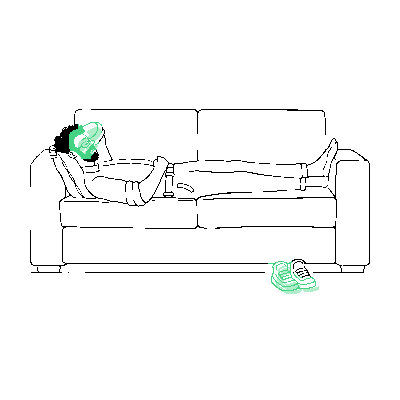
🕊️ Tipe Peralihan~50% of the population

ENFP ChronotypeThe MotivatorTipe Peralihan

Pola Tidur & Kronotipe ENFP

ENFP memiliki pola energi paling tidak dapat diprediksi dari semua tipe MBTI. Jadwal tidur mereka dapat bergeser beberapa jam pada hari tertentu tergantung pada antusiasme, energi sosial, dan lubang kelinci menarik yang sedang mereka jelajahi. Satu minggu mereka bangun pukul 06.00 untuk kebiasaan yoga baru; minggu berikutnya mereka terjaga hingga pukul 03.00 sambil melukis. Sifat tipe peralihan sejati mereka berarti mereka dapat mencapai puncak hampir kapan saja, tetapi jendela energi paling konsisten mereka adalah dari akhir pagi hingga awal siang.

Mengapa ENFP adalah Tipe Peralihan: Fungsi Kognitif & Tidur

Fungsi dominan Ne (Intuisi Ekstrovert) adalah generator kemungkinan yang menghadap ke luar yang menarik energi dari kebaruan, koneksi, dan eksplorasi -- semua tersedia pada jam berapa pun. Tidak seperti lingkaran malam Ne-Ti pada ENTP, fungsi pembantu Fi (Perasaan Introvert) pada ENFP menambahkan dimensi emosional yang dapat memperpanjang energi (ketika sebuah proyek terasa bermakna) atau menguras dengan cepat (ketika makna hilang). Bersama, Ne-Fi menciptakan kronotipe yang bergeser dengan konteks emosional daripada pola biologis tetap.

Fungsi Dominan

Ne is maximally stimulated during high-novelty periods, which can occur morning, afternoon, or night. The ENFP’s energy doesn’t follow a clock — it follows interest. A boring task at 10 AM will drain them; an exciting conversation at 1 AM will energize them. This makes strict chronotype categorization almost impossible.

Fungsi Auxiliary

Fi determines which Ne pursuits feel meaningful enough to sustain energy. When Fi is engaged (a project aligned with values, a cause they believe in), the ENFP can maintain high energy for 16+ hours. When Fi is disengaged, even 8 hours of sleep won’t prevent midday exhaustion.

Pola Energi ENFP Sepanjang Hari

ENFPs wake with variable energy — some mornings feel electric, others feel impossibly heavy, depending on whether they went to bed excited or depleted. When well-rested, a gentle morning creativity appears around 9 AM, building to a buzzing late-morning peak (10 AM - 1 PM) that is their most reliably productive window. Afternoon is socially strong but analytically scattered. A dip around 4-5 PM gives way to a variable evening — sometimes a creative second wind at 8 PM, sometimes complete exhaustion by 7 PM. The ENFP’s energy is the least predictable and most context-dependent of all sixteen types.

Jendela Produktivitas Puncak ENFP

🎨

Puncak Kreativitas

10 AM - 1 PM

📊

Puncak Analitis

11 AM - 2 PM

🤝

Puncak Sosial

12 PM - 6 PM

Tantangan Tidur Umum untuk ENFP

  • !Wildly inconsistent bedtimes — the ENFP who went to bed at 10 PM on Monday might not sleep until 2 AM on Tuesday because something fascinating captured their attention
  • !Difficulty establishing sleep routines because Ne actively rebels against repetition and Fi resists schedules that feel inauthentic or forced
  • !Emotional processing at bedtime — Fi needs to ‘feel’ through the day’s experiences, which can take anywhere from 5 minutes to 2 hours depending on emotional intensity

Rutinitas Harian Ideal untuk ENFP

🌅

Pagi

Wake between 7:30-8:30 AM (allow flexibility within this range rather than forcing a fixed time). Morning is for inspiration, not discipline: listen to motivating music, read something that sparks curiosity, or journal about yesterday’s emotional landscape. Light exercise that feels fun (dancing, playground-style movement) works better than rigid gym routines.

☀️

Siang

The 10 AM - 1 PM window is the creative power zone — use it for brainstorming, writing, designing, or any work that requires Ne-Fi combination. Early afternoon (1-3 PM) is the social peak: meetings, collaboration, networking. Late afternoon is typically scattered — use it for low-stakes tasks, errands, or playful exploration.

🌆

Sore

Evenings are unpredictable by nature. On high-energy nights, channel the creative surge into specific projects rather than letting Ne scatter across ten things. On low-energy nights, honor the depletion with genuine rest. The ENFP’s biggest evening challenge is distinguishing between ‘I’m tired’ and ‘I’m bored’ — they often push through fatigue because sitting still feels boring.

🌙

Waktu Tidur

Create a ‘flexible framework’ rather than a rigid routine: aim for bed between 11 PM - 12 AM, with a 30-minute wind-down that varies by mood. Some nights it’s journaling, some nights it’s music, some nights it’s a podcast. The constant should be a digital device cutoff 20 minutes before sleep, as screen-based Ne stimulation is the biggest bedtime trap for this type.

Tips Optimasi Tidur untuk ENFP

  • Embrace your variable schedule but set guardrails: allow bedtime to float within a 90-minute window (10:30 PM - 12 AM) rather than swinging between 9 PM and 3 AM
  • Use ‘interest-based alarms’ — instead of a boring beep, set your alarm to a new song, an inspiring quote, or a podcast that makes waking feel like an adventure rather than an obligation
  • When you can’t sleep because Fi is processing emotions, speak them into a voice memo rather than lying awake thinking in circles — externalization helps Fi complete its processing faster
  • Your most reliable productivity window is 10 AM - 1 PM regardless of your previous night’s sleep — protect these hours and schedule your most important creative work during this time

Wawasan Kesehatan untuk ENFP Tipe Peralihan

ENFPs’ erratic sleep schedules create a form of ‘social jet lag’ that is less severe than the night owl’s version but more unpredictable. The key health risk is the boom-bust cycle: three nights of 5-hour sleep fueled by excitement, followed by a 12-hour crash. This pattern disrupts circadian consistency more than being a steady night owl. Maintaining even a loose sleep window (within 90 minutes of the same time) significantly improves ENFP cognitive function and emotional stability.

Kompatibilitas Kronotipe ENFP

ENFPs are surprisingly compatible with most chronotypes because their flexibility allows genuine adaptation. However, they struggle most with ISTJ early birds who expect schedule consistency and interpret the ENFP’s variable timing as irresponsibility. The ENFP needs to demonstrate reliability through results rather than schedule adherence, while the ISTJ needs to accept that consistent output can come from inconsistent timing.

Tipe Tipe Peralihan Lainnya

Jelajahi Lebih Lanjut

Tentang Analisis Ini

Analisis kronotipe untuk ENFP ini didasarkan pada korelasi antara fungsi kognitif MBTI dan penelitian ritme sirkadian. Pola tidur individu bervariasi dan dipengaruhi oleh genetika, usia, gaya hidup, dan lingkungan. Konten ini hanya untuk tujuan informasi dan hiburan dan tidak boleh menggantikan saran medis profesional tentang gangguan tidur atau kondisi kesehatan.