
Famous INFP Personalities
Harmonizer
Idealistic dreamers with rich inner worlds. They are guided by their values and seek authentic self-expression.
19 famous personalities
Understanding the INFP Personality
INFPs are idealistic dreamers with rich inner worlds that fuel extraordinary creativity and compassion. Making up about 4% of the population, they navigate life guided by deeply held personal values and an unwavering sense of authenticity. INFPs possess a rare ability to see the potential in people and situations that others overlook, making them powerful advocates for causes they believe in.
Cognitive Function Stack
INFPs lead with Introverted Feeling (Fi), creating a deeply personal and nuanced value system that guides every decision. Extraverted Intuition (Ne) feeds their imagination and helps them see multiple possibilities in any situation. Tertiary Introverted Sensing (Si) gives them a rich storehouse of emotional memories, while inferior Extraverted Thinking (Te) can emerge under stress as uncharacteristic bluntness or organizational bursts.
Why These Celebrities Are INFP
INFP celebrities are recognizable by their authentic self-expression and refusal to compromise their artistic or personal vision. Whether in music, literature, or activism, they create work that resonates on a deeply emotional level, often becoming voices for generations seeking meaning and genuine connection in an increasingly superficial world.
Widely Accepted Typings
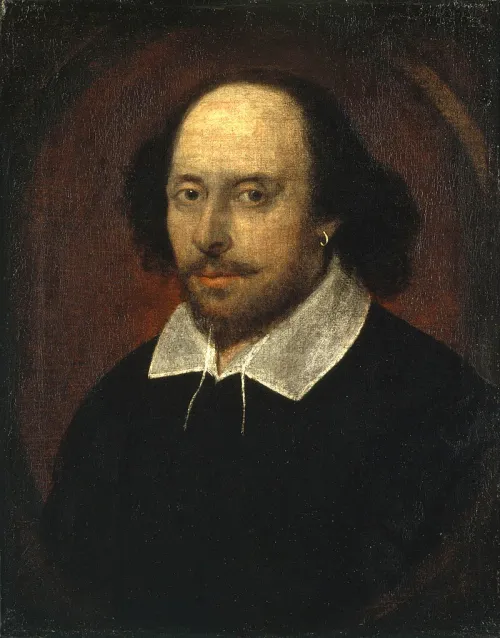
William Shakespeare
Playwright, Poet
UK
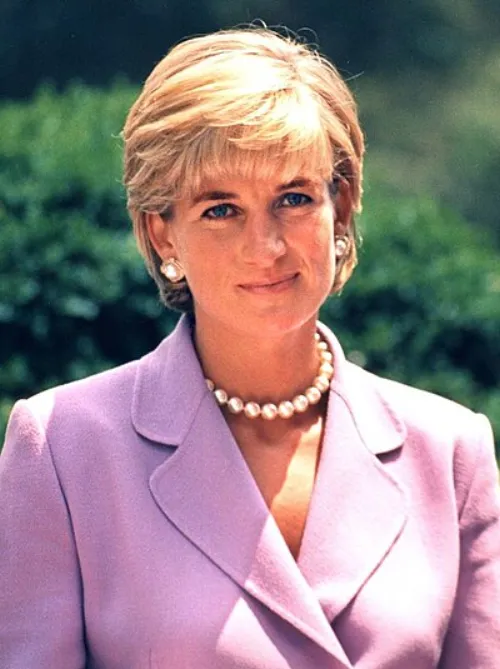
Princess Diana
Princess of Wales, Humanitarian
UK
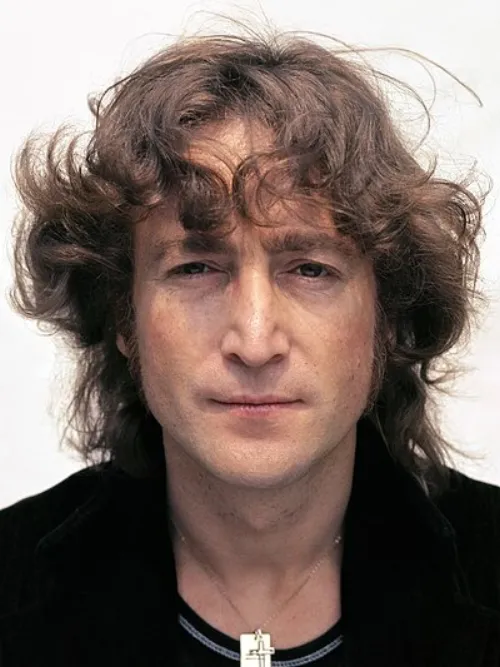
John Lennon
Musician, Activist
UK
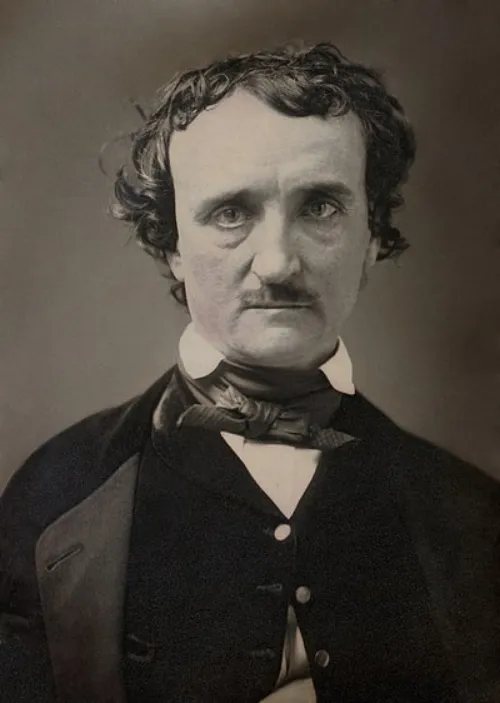
Edgar Allan Poe
Author, Poet
USA
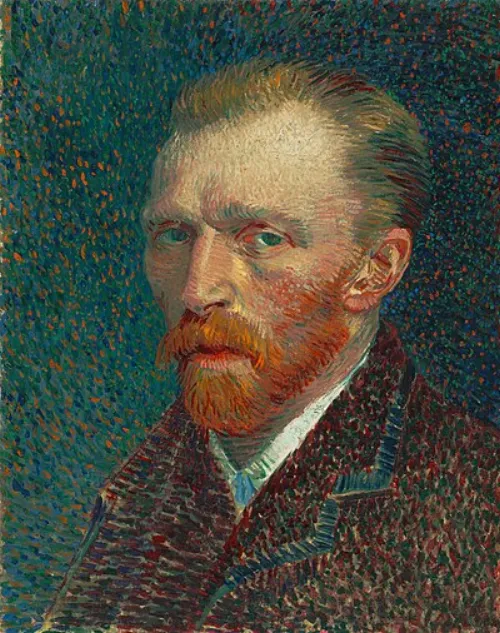
Vincent van Gogh
Artist
Netherlands
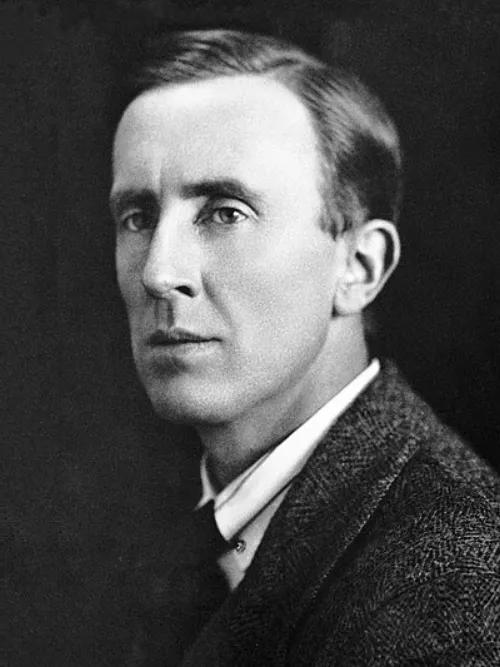
J.R.R. Tolkien
Author
UK
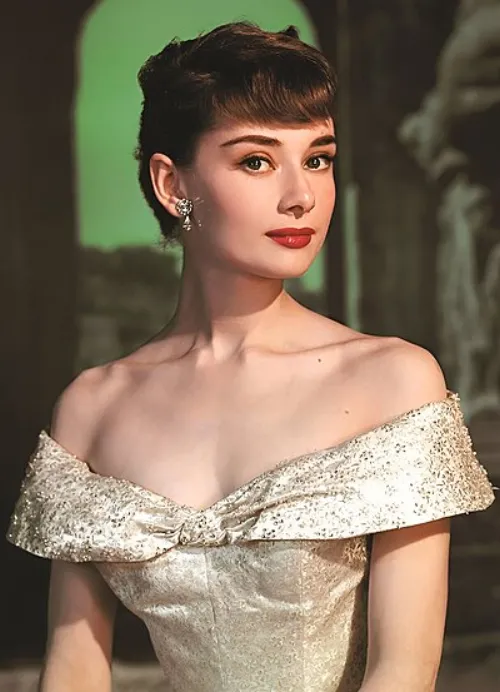
Audrey Hepburn
Actress, Humanitarian
UK/Belgium
Bob Marley
Reggae Musician, Activist
Jamaica
Joaquin Phoenix
Actor
USA
Heath Ledger
Actor
Australia
Anton Chekhov
Playwright, Author
Russia
Pyotr Tchaikovsky
Composer
Russia
Gabriel García Márquez
Author, Nobel Laureate
Colombia


Explore Other Types















Frequently Asked Questions
How accurate are celebrity personality typings?
Celebrity personality typings are based on analysis of public behavior, interviews, and known characteristics. While we can't know someone's type with certainty without them taking the assessment, these typings are educated estimates based on observable MBTI traits.
Can I suggest a celebrity to add?
We're constantly updating our database with more famous personalities. Our current database includes 160+ celebrities across all 16 MBTI types, including historical figures, artists, leaders, athletes, and entertainers from around the world.
Why do some celebrities have different types on different websites?
MBTI typing can be subjective, especially when based on public personas rather than official assessments. Different typologists may interpret the same behaviors differently, and celebrities' public personas may differ from their private personalities. We use the most widely accepted typings based on consensus in the MBTI community.
What does 'widely accepted' vs 'commonly typed' mean?
'Widely accepted' means there's strong consensus in the MBTI community about the typing based on extensive behavioral analysis. 'Commonly typed' means it's a popular assessment but may have some debate or alternative interpretations. 'Confirmed' means the celebrity has publicly taken an MBTI test or stated their type.
Can personality types change over time?
While core MBTI type is believed to remain stable, people can develop skills and behaviors outside their natural preferences. A celebrity's public persona may also evolve, which can lead to different interpretations. However, the fundamental cognitive preferences (the 'core' type) tend to remain consistent throughout life.
Are there more of certain types among celebrities?
Yes! Certain personality types are overrepresented in specific fields. For example, ENTJs and ESTJs are common in business and politics, ENFPs and ENFJs in entertainment, and INTJs and INTPs in science and technology. This is because different types are naturally drawn to careers that match their strengths and preferences.