Dictators & TyrantsGeorgian-Soviet
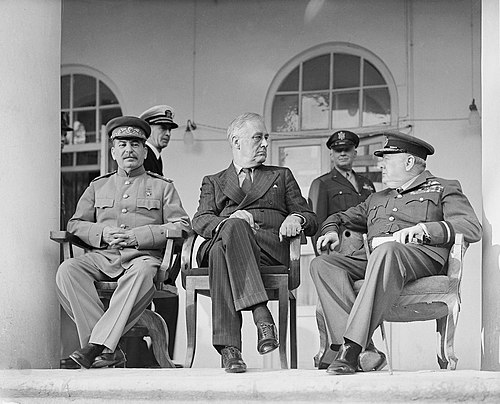
Joseph Stalin
“Man of Steel”
 ENTJ - The Tyrant
فعال:1924-1953
زندگی:1878 - 1953
قربانیان:~6-20 million through purges, famines, and gulags
“Death is the solution to all problems. No man, no problem.”
محتوای آموزشی: این تجزیهی روانشناختی صرفاً برای اهداف آموزشی است - برای درک الگوهای رفتار مجرمانه و علائم هشداری. ما اعمال مجرمانه را تمجید یا تایید نمیکنیم.
زندگینامه
Joseph Vissarionovich Stalin rose from humble origins in Georgia to become one of the most powerful and brutal dictators in human history. After Lenin's death in 1924, Stalin outmaneuvered rivals like Trotsky to seize control of the Soviet Union.
Stalin's rule was characterized by rapid industrialization, forced collectivization of agriculture (which caused the Holodomor famine killing millions in Ukraine), and the Great Purge of the 1930s. During the purges, Stalin eliminated perceived political enemies, including most of the original Bolshevik leadership, military officers, and millions of ordinary citizens.
The gulag system of forced labor camps held millions, with countless prisoners dying from brutal conditions. Yet Stalin also led the USSR to victory over Nazi Germany in WWII and transformed the country into a nuclear superpower.
Stalin died in 1953, possibly from poisoning by his inner circle who feared they would be his next victims. His reign of terror had claimed between 6 and 20 million lives.
پروفایل روانشناختی: ENTJ
Stalin demonstrates ENTJ characteristics corrupted by extreme paranoia:
**Dominant Te (Extraverted Thinking):** Stalin's ability to industrialize the Soviet Union, organize a wartime economy, and systematically eliminate enemies shows powerful Te. His five-year plans and purge mechanisms were models of cold efficiency.
**Auxiliary Ni (Introverted Intuition):** His long-term vision for Soviet power and ability to anticipate and outmaneuver political rivals demonstrates strong Ni. He planned years ahead while appearing to react in the moment.
**Tertiary Se (Extraverted Sensing):** Stalin was highly attuned to power dynamics in any room. He carefully observed others, remembered slights, and chose perfect moments to strike against enemies.
**Inferior Fi (Introverted Feeling):** Stalin's inability to trust anyone, even family, and his willingness to sacrifice millions for abstract goals shows profoundly underdeveloped Fi. He viewed people purely as instruments.
تجزیهی تابع شناختی
غالب
Te - Industrial and political organization
کمکی
Ni - Long-term strategic planning
سوم
Se - Acute awareness of power dynamics
فرعی
Fi - Inability to form genuine human connections
علائم هشداری نمایشدادهشده
- ⚠Extreme paranoia that increased with power
- ⚠Willingness to betray anyone, including close allies
- ⚠Rewriting of history to suit current narrative
- ⚠Creation of cult of personality
- ⚠Systematic elimination of potential rivals
- ⚠Complete absence of remorse for mass death