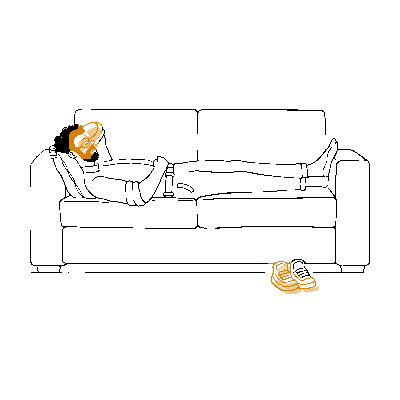
🕊️ Pájaro Intermedio~50% of the population

ISFP ChronotypeThe ComposerPájaro Intermedio

Patrones de Sueño y Cronotipo de ISFP

Los ISFP tienen un ritmo gentil y alineado con la naturaleza que sigue vagamente al sol. No son rígidamente tempranos ni tardíos: su energía fluye con corrientes estéticas y emocionales más que con relojes. Un ISFP de vacaciones en la playa puede levantarse al amanecer para fotografiar el amanecer; el mismo ISFP trabajando en una oficina puede no activarse del todo hasta las 10 AM. Su flexibilidad de pájaro intermedio está arraigada en la armonía sensorial: duermen mejor cuando el entorno se siente adecuado, no cuando el horario dice que deben hacerlo.

Por qué los ISFP son Pájaro Intermedio: Funciones Cognitivas y Sueño

La Fi dominante (Sentimiento Introspectivo) establece un ritmo emocional profundamente personal y resistente a la programación externa. El ISFP duerme bien cuando se siente emocionalmente en paz y mal cuando no, independientemente de la hora. La Se auxiliar (Sensación Extrínseca) añade sensibilidad ambiental: la calidad de la luz, el sonido, la temperatura y la belleza estética de su entorno afecta directamente sus niveles de energía. Fi-Se juntas crean un cronotipo que tiene menos que ver con el tiempo y más con la alineación entre el estado emocional interior y el entorno sensorial exterior.

Función Dominante

Fi determines sleep readiness through emotional processing — if the ISFP goes to bed with unresolved feelings, sleep won’t come regardless of exhaustion. Conversely, an emotionally satisfying day leads to effortless, deep sleep. Fi is the ‘sleep gatekeeper’ that no alarm clock can override.

Función Auxiliar

Se creates strong environmental requirements for both sleep and productivity. The ISFP’s energy responds to aesthetic quality: a beautiful workspace increases morning productivity, a cozy bedroom improves sleep quality, and natural light regulates their circadian rhythm more powerfully than schedules do.

Patrón de Energía de ISFP a lo Largo del Día

ISFPs wake slowly and sensually, often lying in bed for 15-20 minutes simply feeling into the day — noticing the light, the temperature, their emotional state. This isn’t laziness; it’s Fi-Se calibration. Energy builds gradually through the morning, reaching a creative peak around 10 AM - 1 PM when the balance of natural light and emotional readiness is optimal. Afternoon energy is warm and social. Late afternoon often brings a contemplative dip. Evening energy depends entirely on emotional state: a creatively fulfilled ISFP might paint until midnight; a depleted one might retreat to bed by 9 PM. Their natural sleep time, when uninfluenced by mood, falls around 10:30-11:30 PM.

Ventanas de Máxima Productividad de ISFP

🎨

Pico Creativo

10 AM - 1 PM

📊

Pico Analítico

11 AM - 1 PM

🤝

Pico Social

2 PM - 5 PM

Desafíos Comunes de Sueño para ISFP

  • !Emotional sensitivity to sleep environment — a cluttered room, wrong lighting, or unpleasant ambient noise can prevent sleep entirely, even when physically exhausted
  • !Mood-dependent energy that makes consistent scheduling difficult: some days feel lively until midnight, others are exhausting by 7 PM, with no predictable pattern
  • !Absorbing environmental stress (arguments at home, tension in the workplace) that disrupts Fi’s peace and makes bedtime a processing session instead of a rest period

Rutina Diaria Ideal para ISFP

🌅

Mañana

Wake between 7:30-8:30 AM with natural light if possible — Se responds powerfully to sunrise cues. Allow 20 minutes of sensory awakening: feel the sheets, notice the light, listen to the morning sounds. No phone for the first 30 minutes. A gentle creative activity (sketching, playing an instrument, tending plants) is the ideal way to transition into the day.

☀️

Tarde

The 10 AM - 1 PM window is the creative sanctuary: use it for artistic work, design, hands-on creation, or any task that requires the Fi-Se combination of aesthetic sensitivity and physical engagement. Early afternoon is the social window: casual conversations, collaborative work, and interpersonal connection. By 4 PM, begin transitioning inward.

🌆

Noche

After 5 PM, let the evening unfold based on emotional state rather than forcing a structure. High-energy evenings: pursue creative projects, attend cultural events, or enjoy nature walks during golden hour. Low-energy evenings: cocoon in comfort, enjoy quiet media, or simply rest without guilt. The ISFP’s worst evening mistake is forcing productivity when the heart isn’t in it.

🌙

Hora de Dormir

Create a sensory sanctuary: clean sheets, dim warm lighting, pleasant scent, comfortable temperature. Spend 15 minutes in emotional check-in: what do you feel? Is anything unresolved? Journal or quietly process until Fi feels settled. Then let Se carry you into sleep with physical comfort — the right pillow position, weighted blanket, ambient sounds. Aim for sleep between 10:30-11:30 PM.

Consejos de Optimización del Sueño para ISFP

  • Invest heavily in your sleep environment — for ISFPs, the aesthetic and sensory quality of the bedroom directly correlates with sleep quality. This is not indulgence; it’s functional
  • Use natural light as your primary circadian cue: open curtains immediately upon waking, spend time outdoors during the day, and dim artificial lights after sunset. Your Se responds to these signals more reliably than to alarm clocks
  • When emotional turbulence disrupts sleep, try expressing the feelings through a brief creative act (a 5-minute sketch, a few lines of poetry) rather than trying to think your way through them
  • Accept your mood-dependent energy as a feature, not a bug — schedule flexibility into your week so that low-energy days can be honored and high-energy days can be maximized

Perspectivas de Salud para ISFP Pájaro Intermedio

ISFPs who chronically suppress their emotional processing needs develop sleep-onset insomnia because Fi’s unprocessed feelings surface the moment external stimulation stops. The solution isn’t sleeping pills or forced meditation — it’s daytime emotional expression through art, conversation, or journaling that prevents the nighttime emotional backlog. ISFPs who maintain a regular creative practice consistently report better sleep quality than those who don’t.

Compatibilidad de Cronotipo ISFP

ISFPs pair well with types who respect their environmental sensitivity without dismissing it. An ESTJ partner who scoffs at ‘needing the right pillow’ will create chronic sleep tension, while an ENFJ who helps create a beautiful sleep environment will enhance the ISFP’s rest dramatically. The ISFP’s need for emotional peace before sleep also means unresolved relationship conflict is a direct sleep disruptor — never go to bed angry with an ISFP.

Otros Tipos Pájaro Intermedio

Explorar Más

Sobre este Análisis

Este análisis de cronotipo para ISFP se basa en correlaciones entre las funciones cognitivas MBTI y la investigación sobre ritmos circadianos. Los patrones de sueño individuales varían y están influenciados por la genética, la edad, el estilo de vida y el entorno. Este contenido es solo para fines informativos y de entretenimiento, y no debe reemplazar el consejo médico profesional sobre trastornos del sueño o condiciones de salud.